

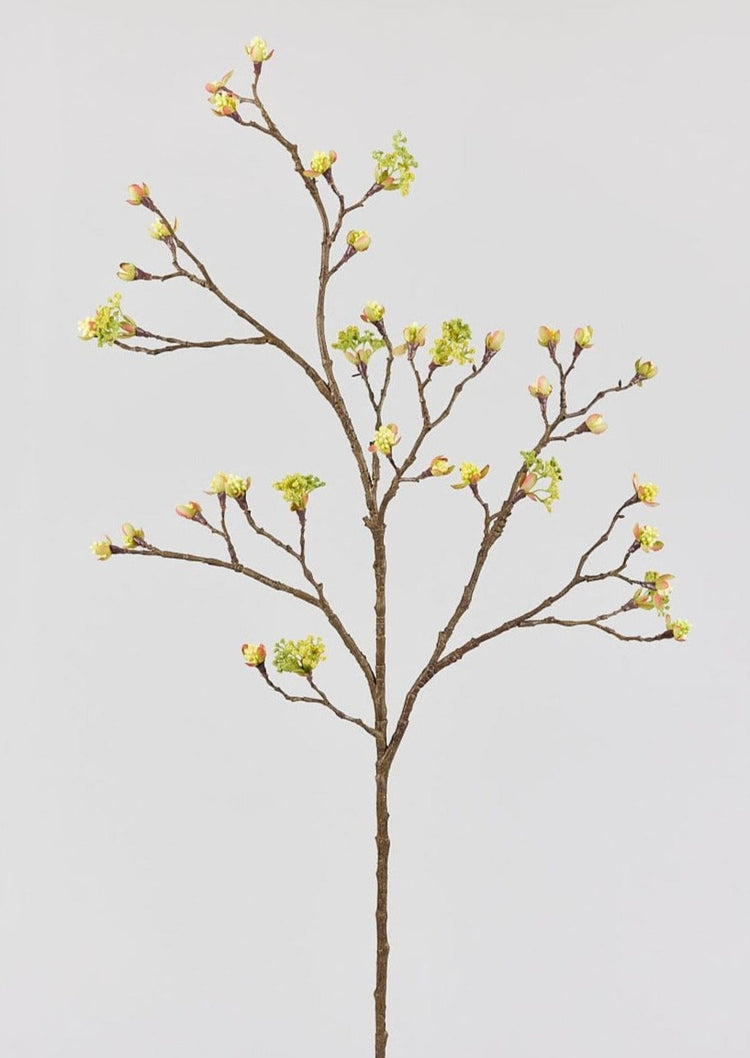
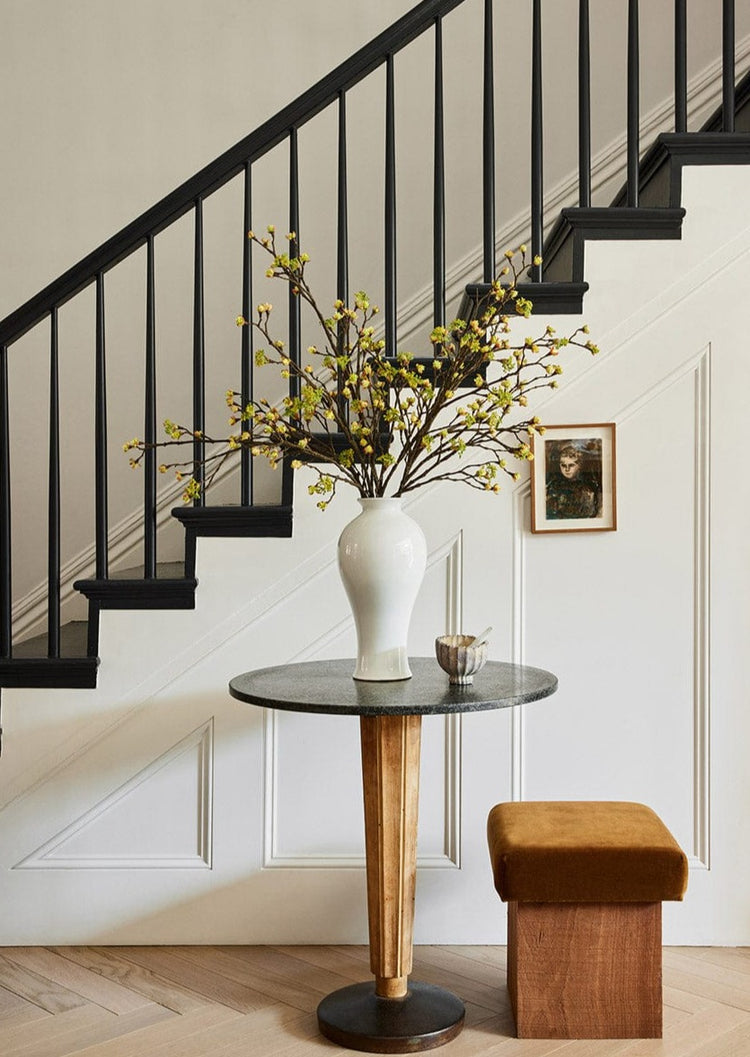
Japandi plants bring a line of green into a calm room without filling it. The idea is simple: one sculptural branch or a single tree, given space to breathe. This collection focuses on faux greenery, so it stays fresh with no watering or sunlight needed. You will find a potted olive tree, chestnut leaf branches, budding flower stems and small arranged pieces. Leaves are muted and stems are slender, in the spirit of Japanese ikebana. Explore the collection and choose a quiet touch of nature for your shelf or corner.
Filters
5 products
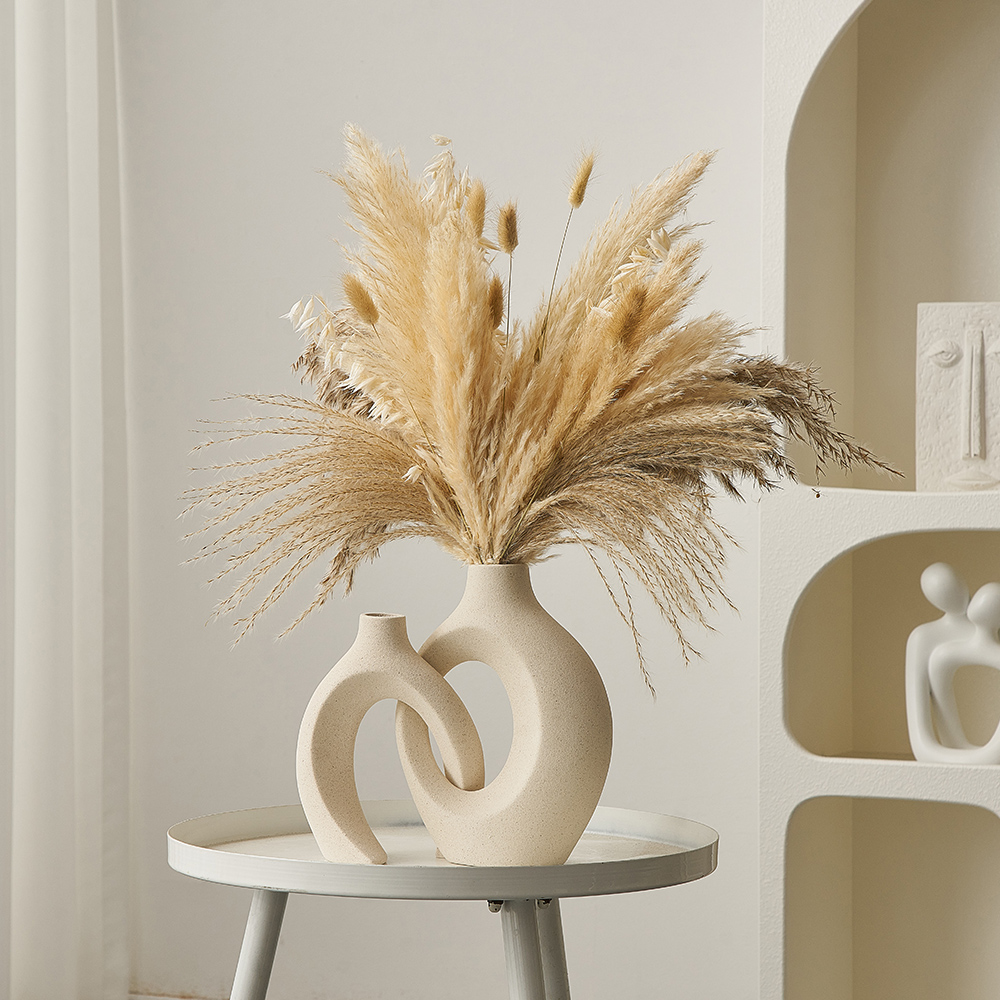
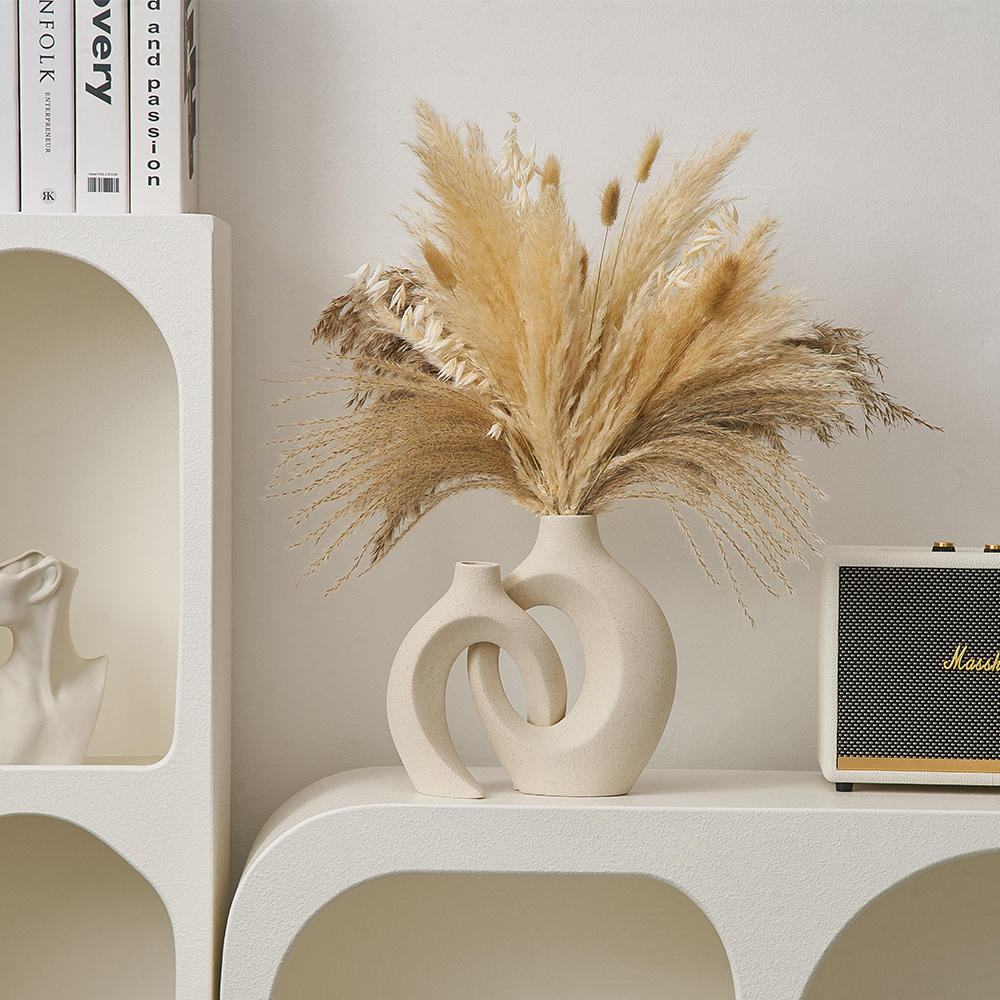
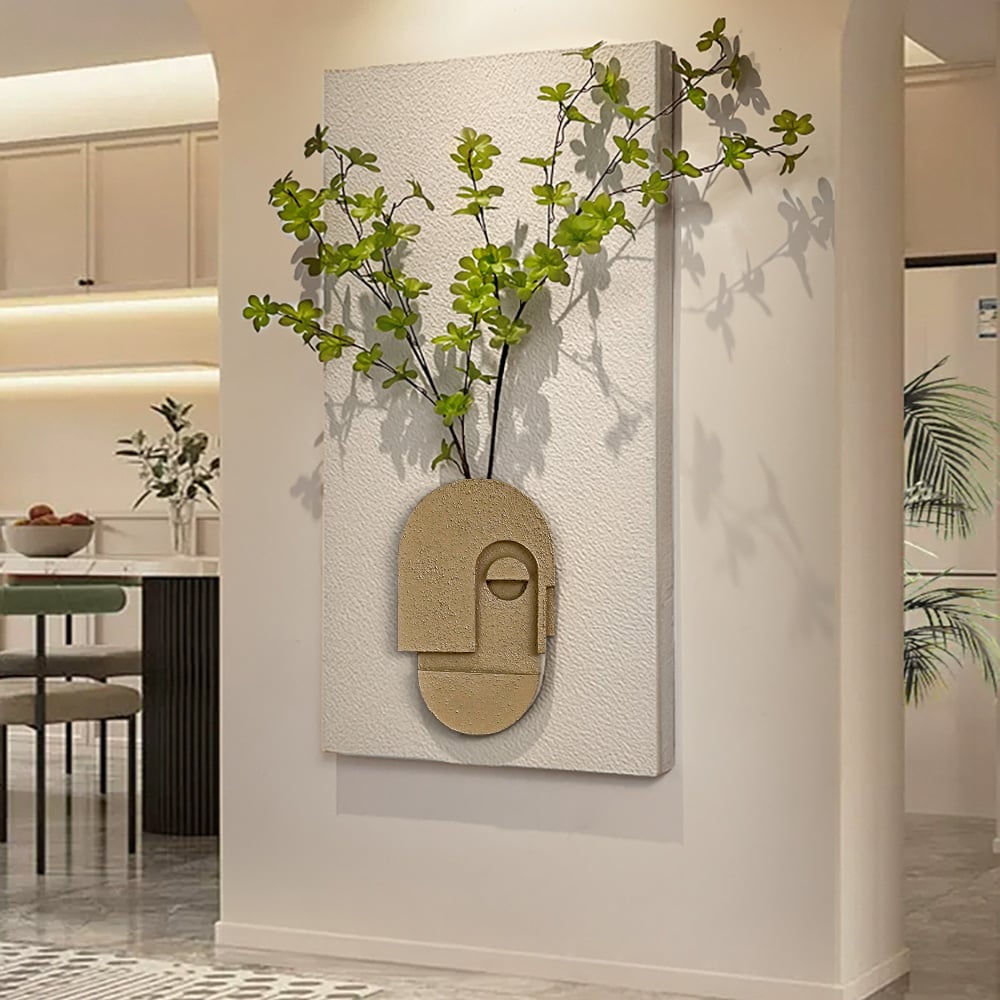
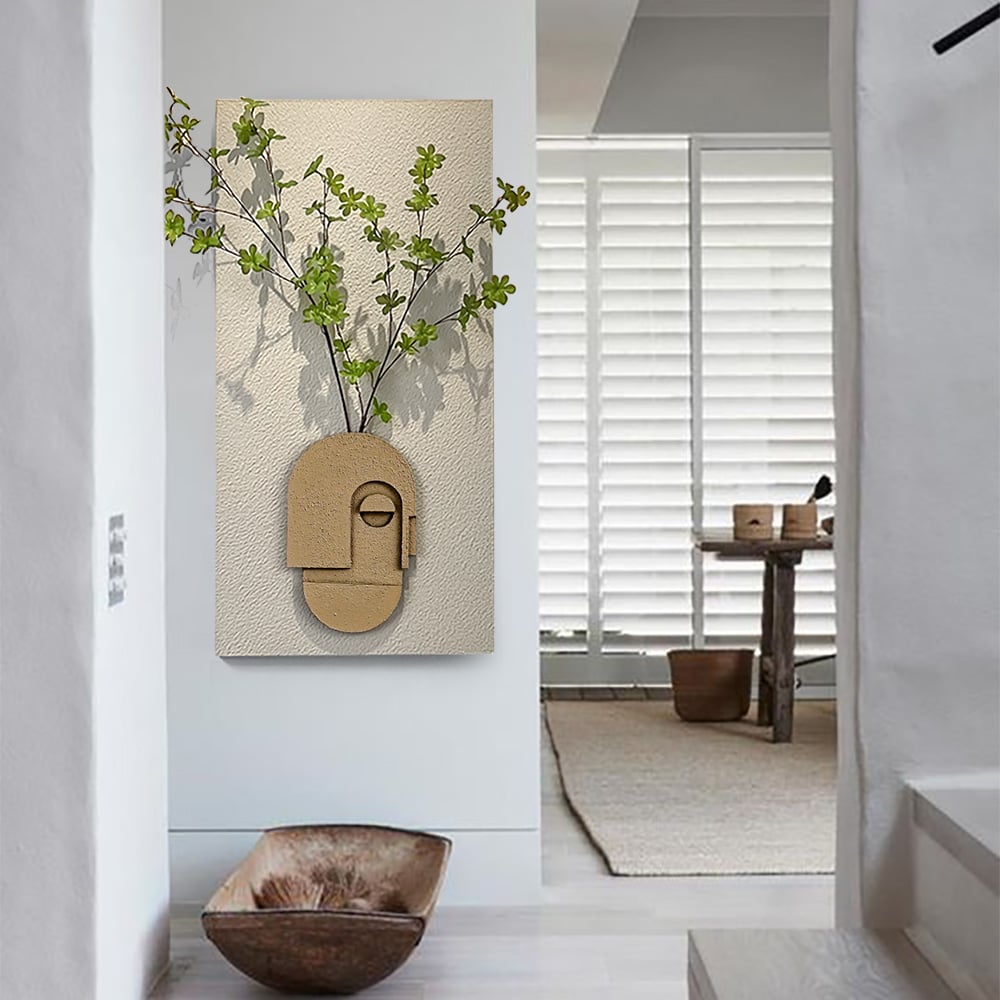
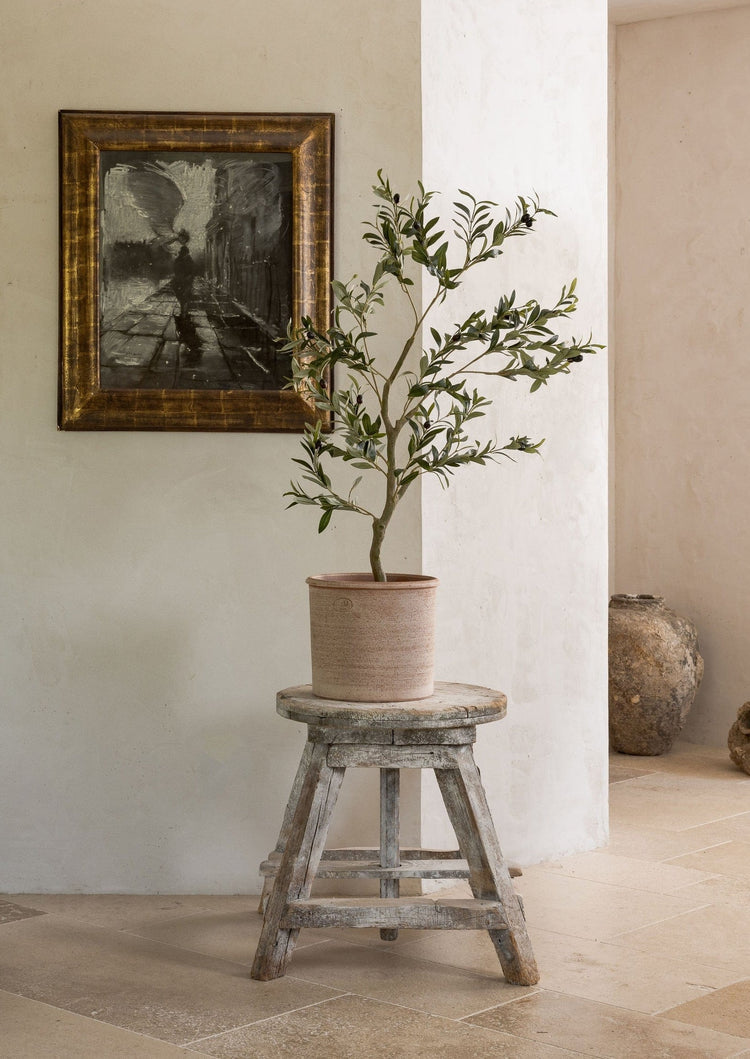
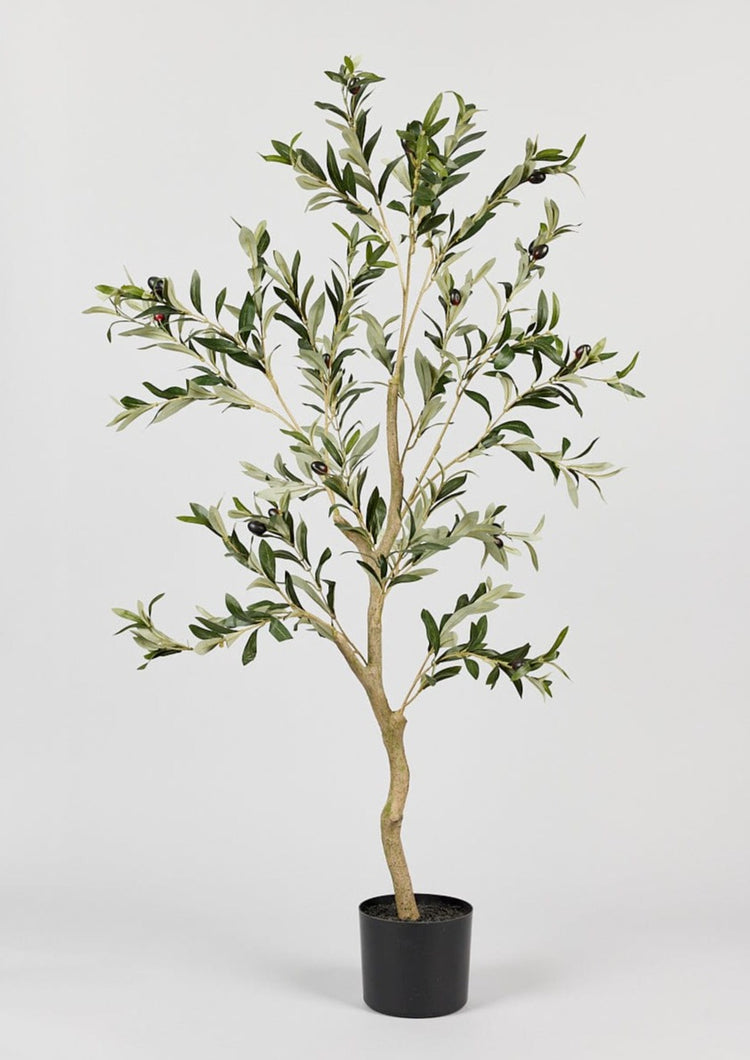
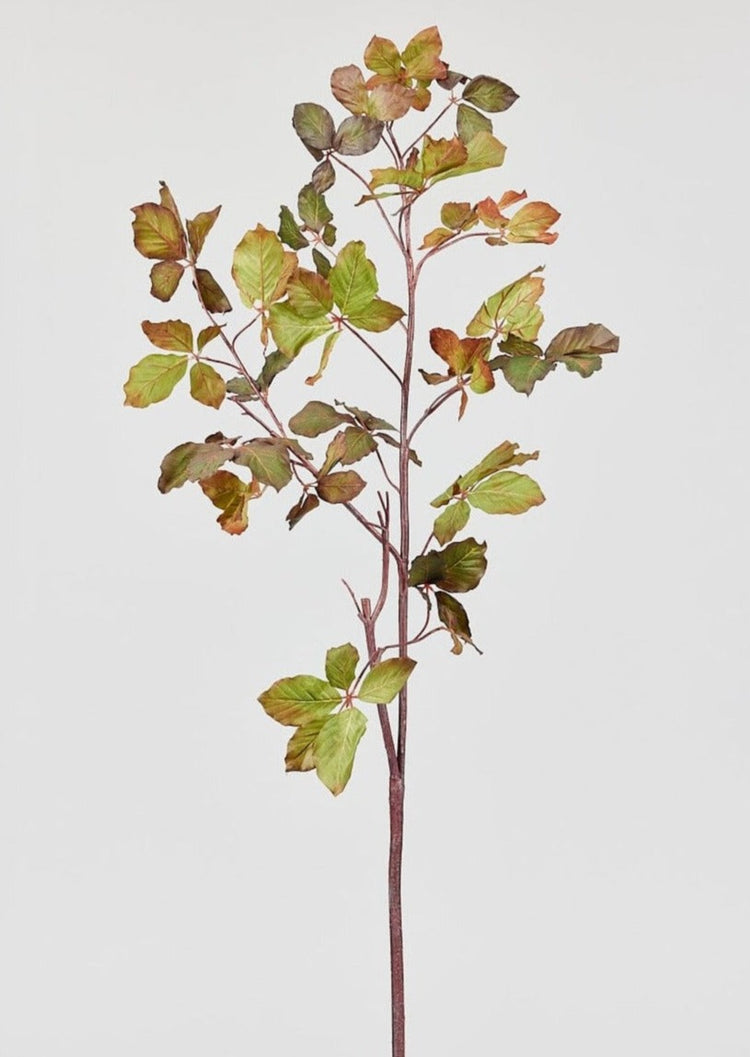
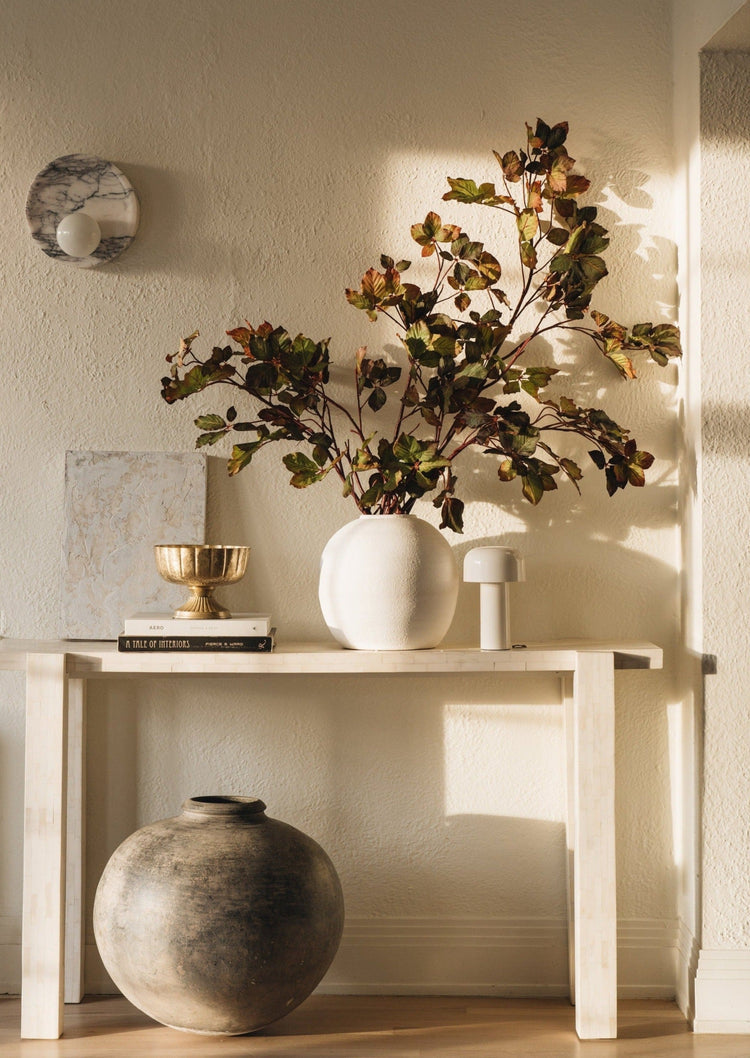
What are Japandi plants?
Japandi plants are greenery chosen for shape rather than abundance. Think one olive tree in a corner or a few branches in a stoneware vase.
You can recognize them by their sparse, airy look. Leaves are soft green or silvery, never neon. Stems stay visible and often curve.
The pieces here are artificial, made from materials such as polyester, plastic and wire. They are designed to look natural at a normal viewing distance. They suit rooms with little daylight.
Why buy Japandi plants?
Plants have long been part of Japanese interiors, from ikebana to bonsai. Scandinavian homes bring greenery indoors to soften long winters.
Japandi keeps both habits, but with restraint: fewer plants, more space. Faux plants make that easy.
They suit dim rooms, busy schedules and homes where real plants keep failing. They hold their shape all year.
You also avoid soil, pests and water rings on wooden furniture. A good faux tree can look tidy for years with simple dusting.
Styles and variations of Japandi plants
Faux olive trees
A faux olive tree is one of the most popular choices for the style. Its narrow, silver-green leaves and thin trunk feel light, even at floor level. Place it in a corner or beside a sofa for height without bulk.
Faux branches and stems
Faux branches in a vase give the most minimal look. A single chestnut leaf branch or budding flower stem draws a line, much like ikebana. Use one to three stems per vase, with slightly different heights for balance.
Arranged pieces and sculptural greenery
Some pieces come ready to display, such as a handmade sculpture with artificial plants. They work well on a shelf, desk or console table. They also make an easy gift for someone setting up a calm, low-maintenance home.
How to choose your Japandi plants?
Start with scale. With standard 8-foot ceilings, a floor tree of about 5 to 6 feet feels balanced.
On a dining table, keep arrangements low so they do not block eye contact.
Next, look at leaf color. Muted greens and silvery tones blend with oak, linen and stone.
Check the materials on the partner's listing. Wire stems let you bend branches into shape. A weighted pot keeps a tall tree stable on wood floors.
Keep faux greenery out of strong direct sun, which can fade it over time. Dust the leaves with a soft brush every few weeks.
What to pair Japandi plants with?
Set branches in a Japandi vase with a matte, earthy glaze.
Put a faux olive tree in a Japandi planter of clay, cement or wood-look finish. A low Japandi console table makes a natural stand for stems.
Echo the green once elsewhere, such as in a cushion. The look also fits Scandinavian, wabi-sabi and organic modern rooms.
A word from the store
Japandistore lists only Japandi-style decor. We hand-pick this greenery from established partner stores: Afloral, Wayfair and Homary.
Before listing, we compare materials, dimensions, real buyer reviews and partner return terms.
Most pieces here range from about $30 to $140. Prices, stock, shipping and returns are set by each partner and shown on their site, where you buy directly.
FAQ — Japandi plants
What plants are best for Japandi style?
Choose plants with a clear, sculptural shape. Olive trees, fiddle leaf figs, snake plants, bonsai and single branches all fit. Avoid dense, colorful mixes. In this collection, faux olive trees and leafy branches give the look without upkeep.
Do fake plants look cheap?
They can if the leaves are shiny or the colors too bright. Look for matte leaves, varied tones and visible stems. Keep the display sparse. One good faux tree looks more natural than several crowded pots.
How do you clean artificial plants?
Dust them every few weeks with a soft brush or microfiber cloth. A hairdryer on the cool setting removes heavier dust. Check the partner's care notes before using water, since some stems contain glue or plaster.