

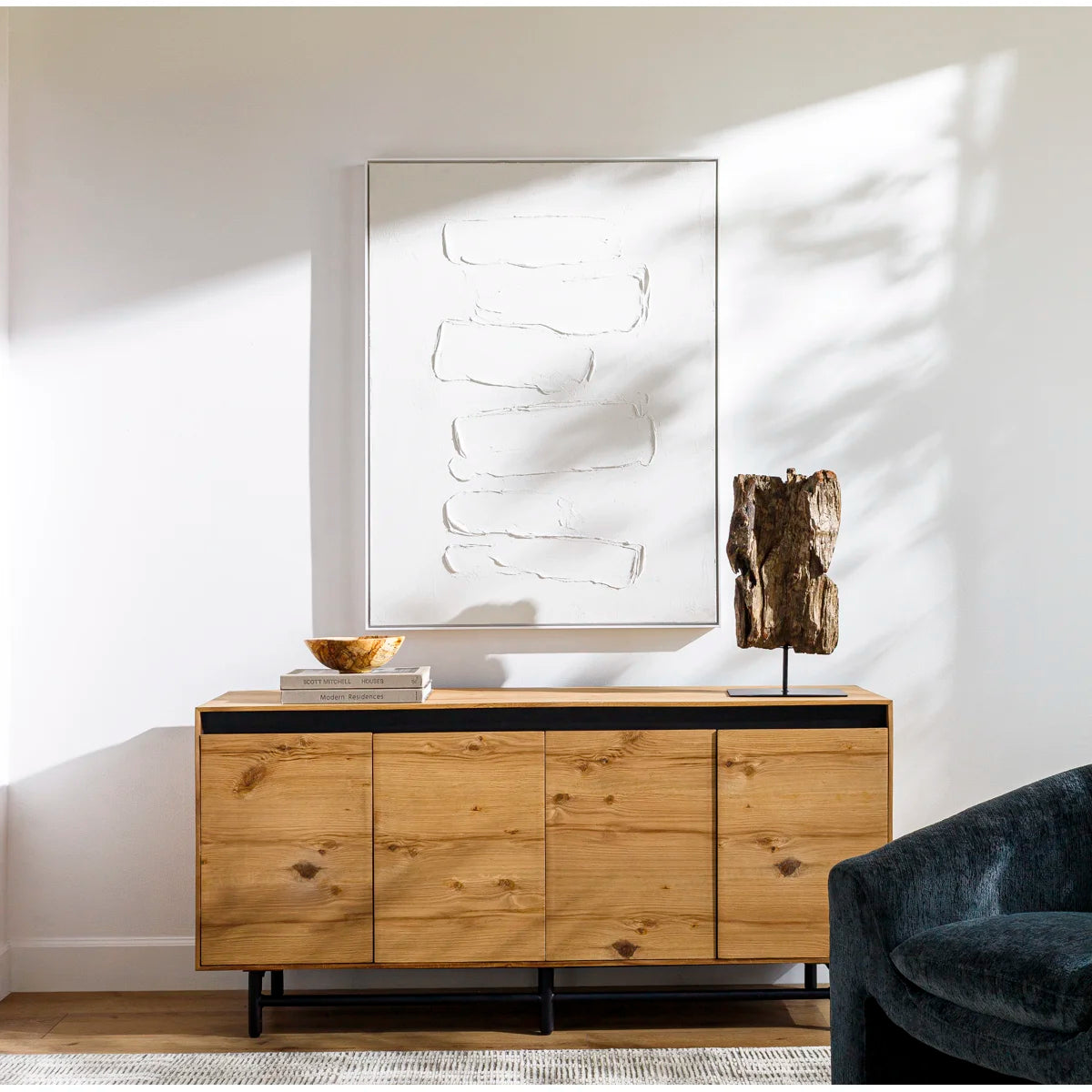
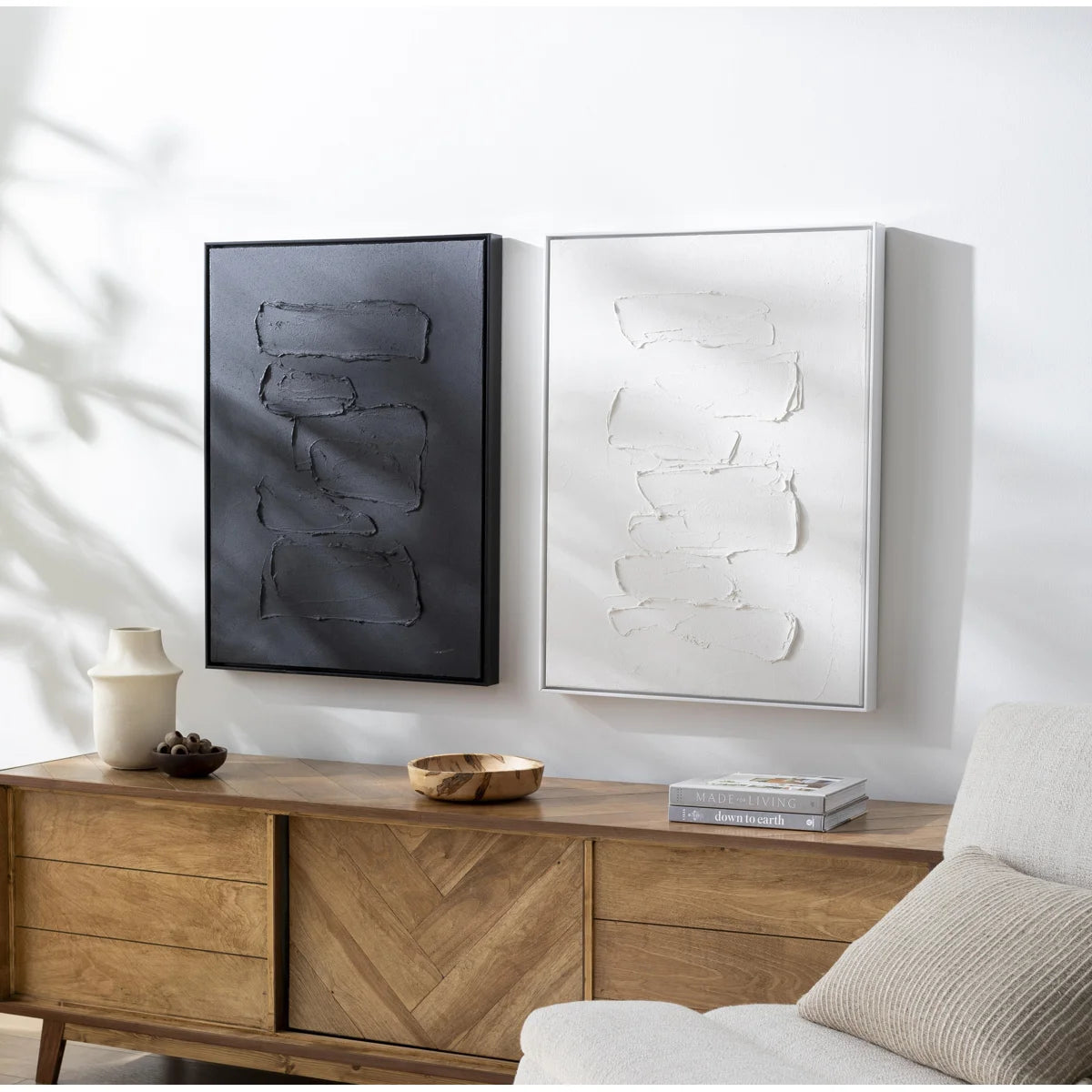
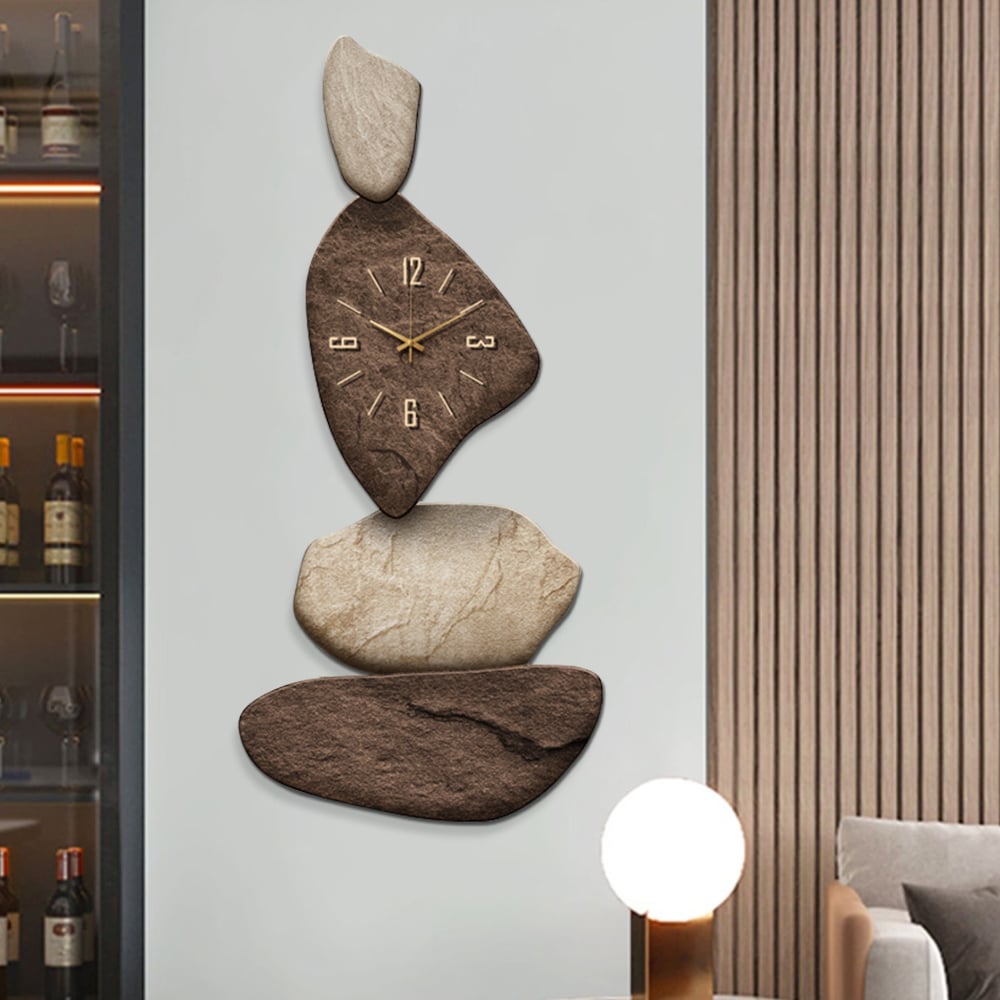
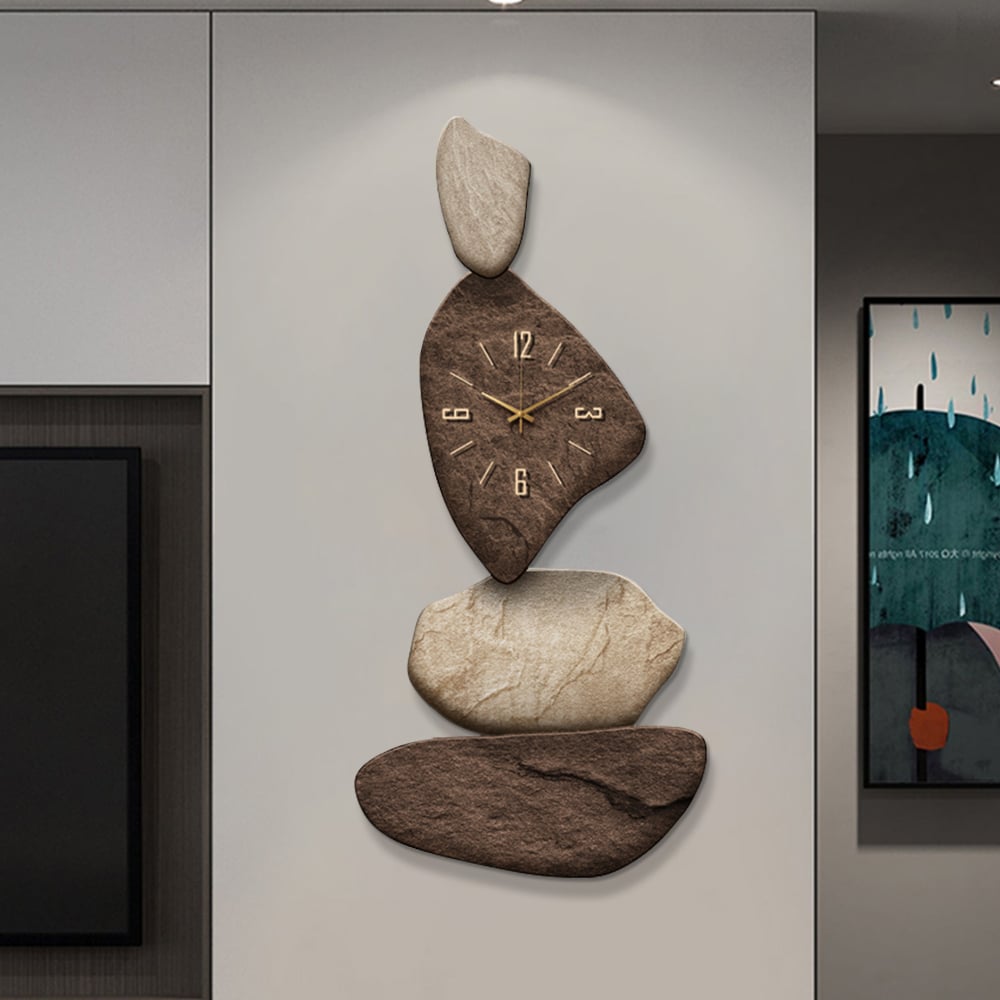
Japandi wall art finishes a calm room with a single, quiet focal point. It is the easiest way to add warmth and personality without adding clutter. The pieces here lean on earthy neutrals, soft abstract forms and plenty of empty space. Many play with texture, using 3D relief, sandstone-like finishes or layered canvas. You will also find wall sculptures with small vases and shelves, plus a wood wall clock. Browse the collection below and find the piece that suits your wall.
Filters
11 products






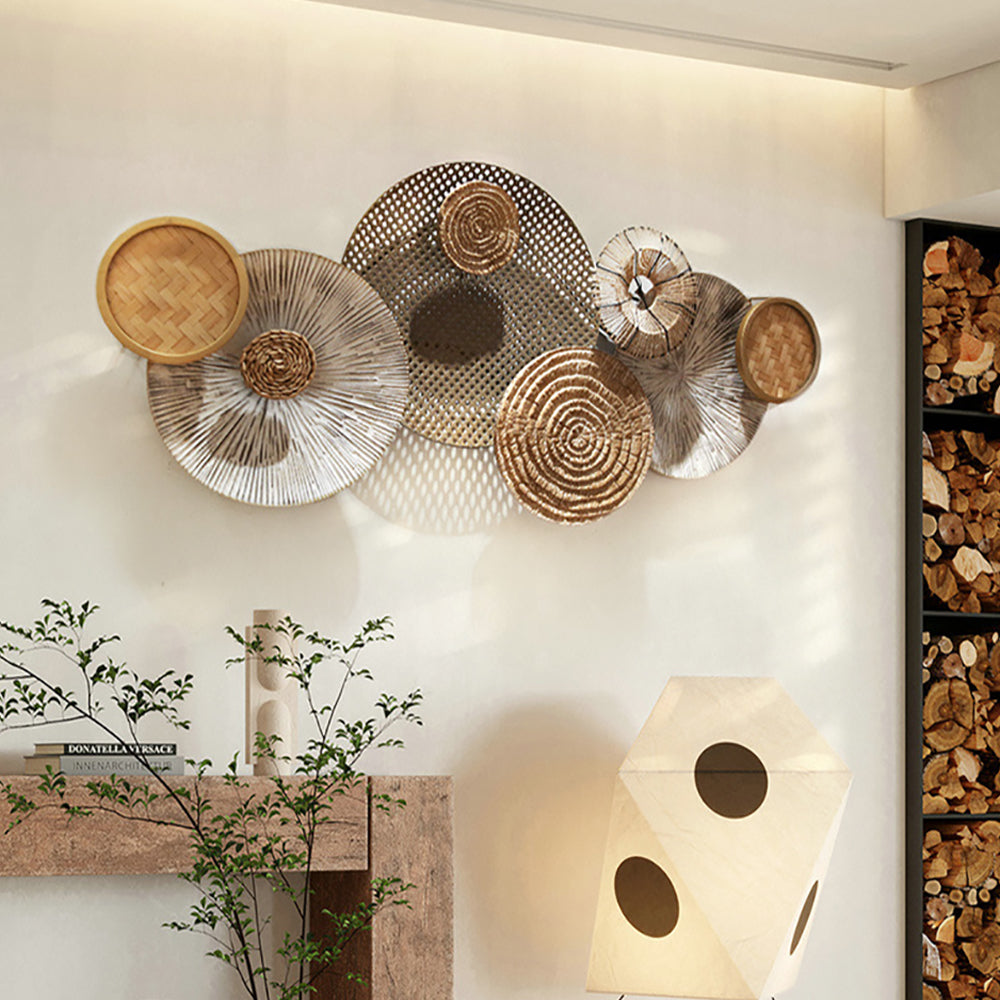
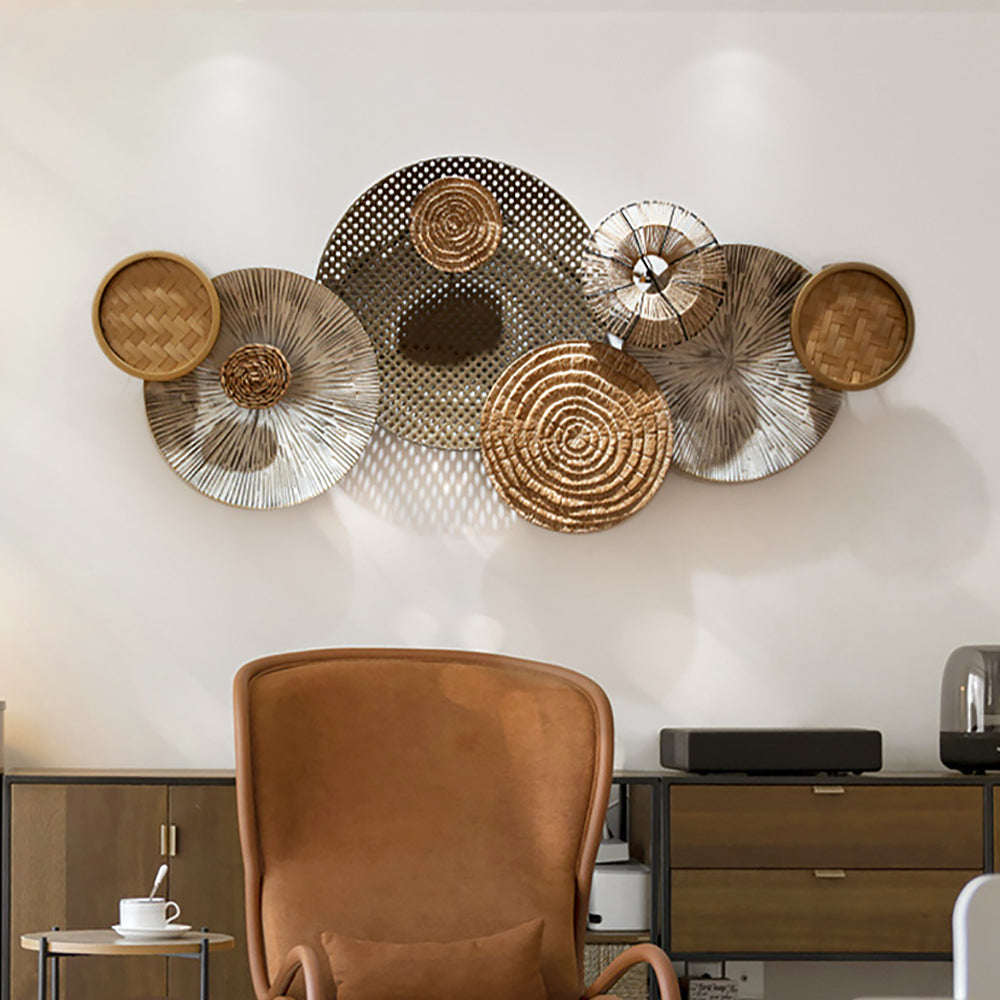


What is Japandi wall art?
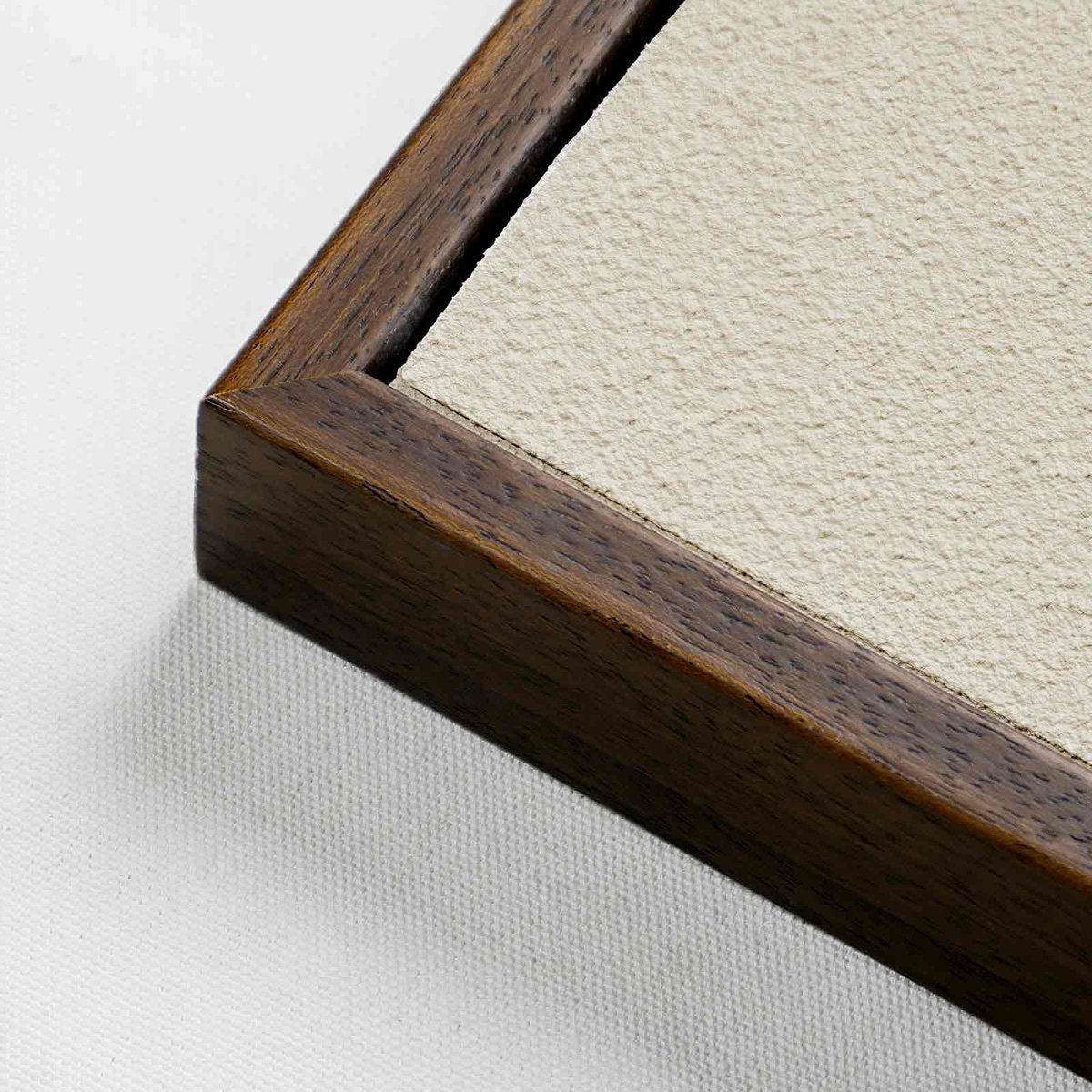
Japandi wall art is artwork and wall decor in the Japandi style. That style combines Japanese minimalism with Scandinavian warmth. You can recognize it by a restrained, earthy palette: beige, cream, clay, black, soft blue and muted red. Compositions are simple, often abstract, with generous empty space around the subject. Texture matters as much as color here. Raised surfaces, visible brush marks and natural materials invite a closer look. Frames, when present, are thin wood or plain metal.
Why buy Japandi wall art?
Traditional Japanese aesthetics value ma, the meaningful use of empty space. Wabi-sabi adds a love of imperfect, handmade textures. Scandinavian design brings warmth, light and livability. Japandi wall decor joins these three ideas. One well-chosen piece can calm a busy wall and give the eye a real place to rest. Neutral art is also easy to live with for years. It adapts as you change pillows, rugs or seasons, which makes it a safe choice.
Styles and variations of Japandi wall art
3D and textured wall art
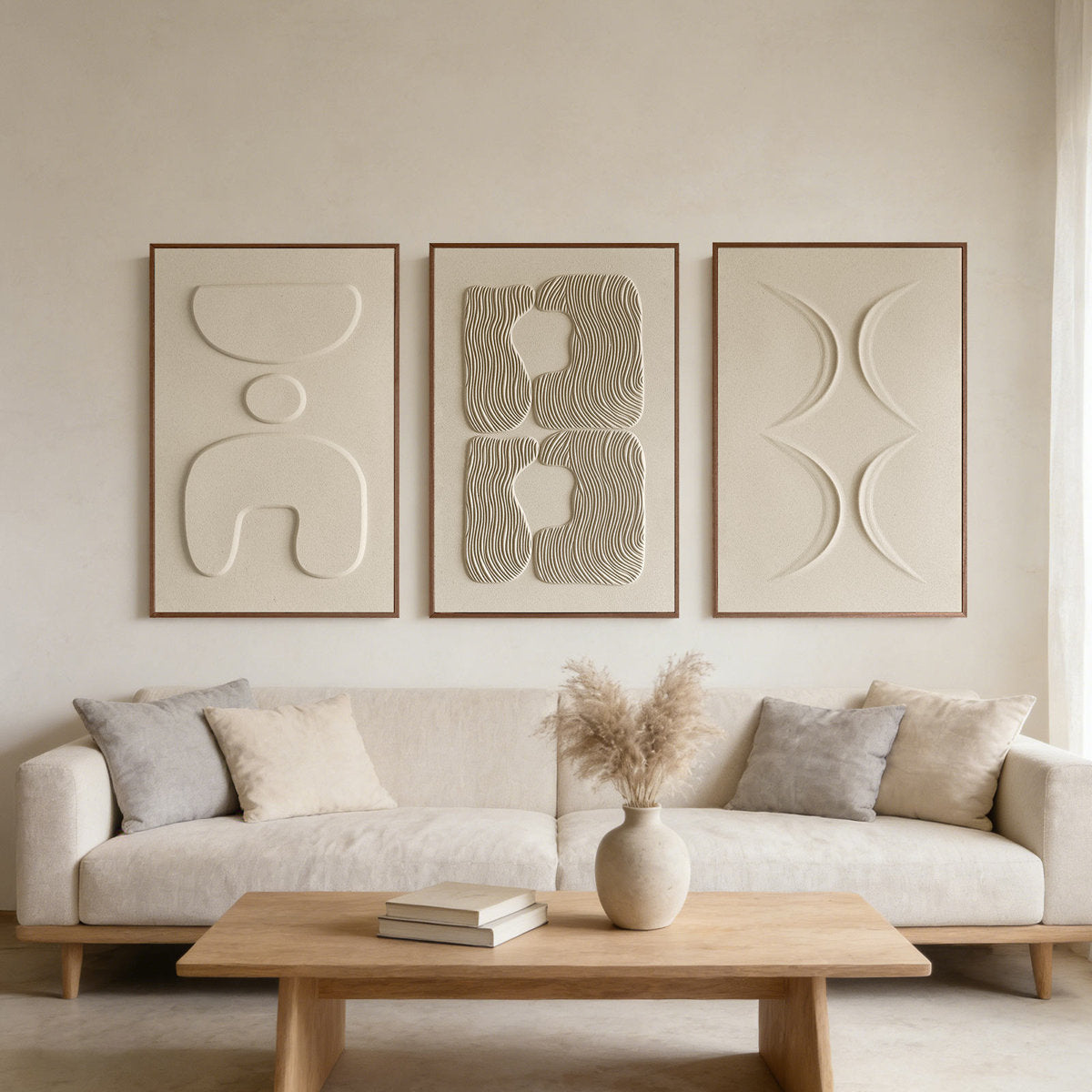
3D textured wall art adds depth that shifts with the light. Raised MDF, sandstone-like finishes and metal relief give it a wabi sabi wall art feel. Sets of two or three panels suit a sofa wall.
Abstract canvas paintings
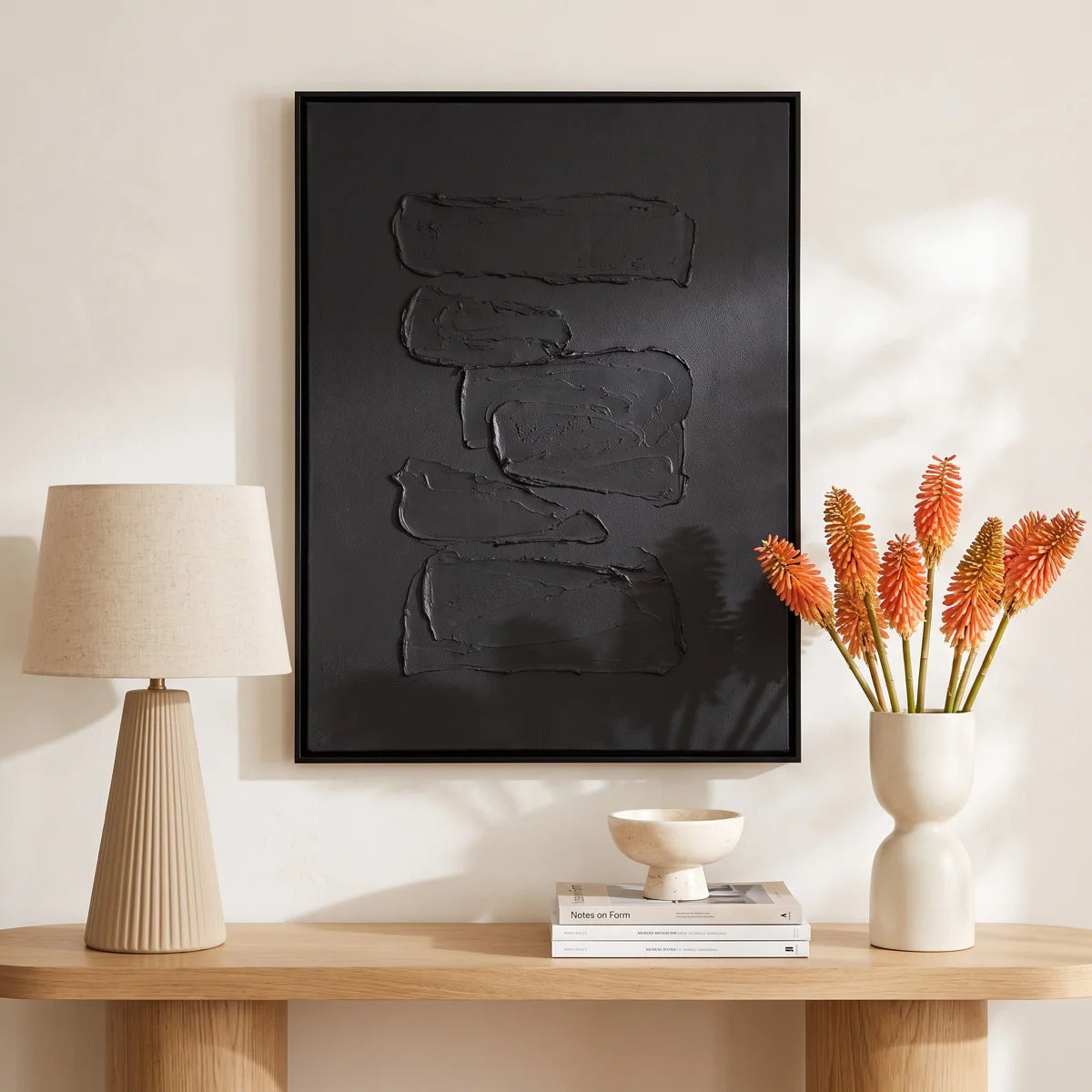
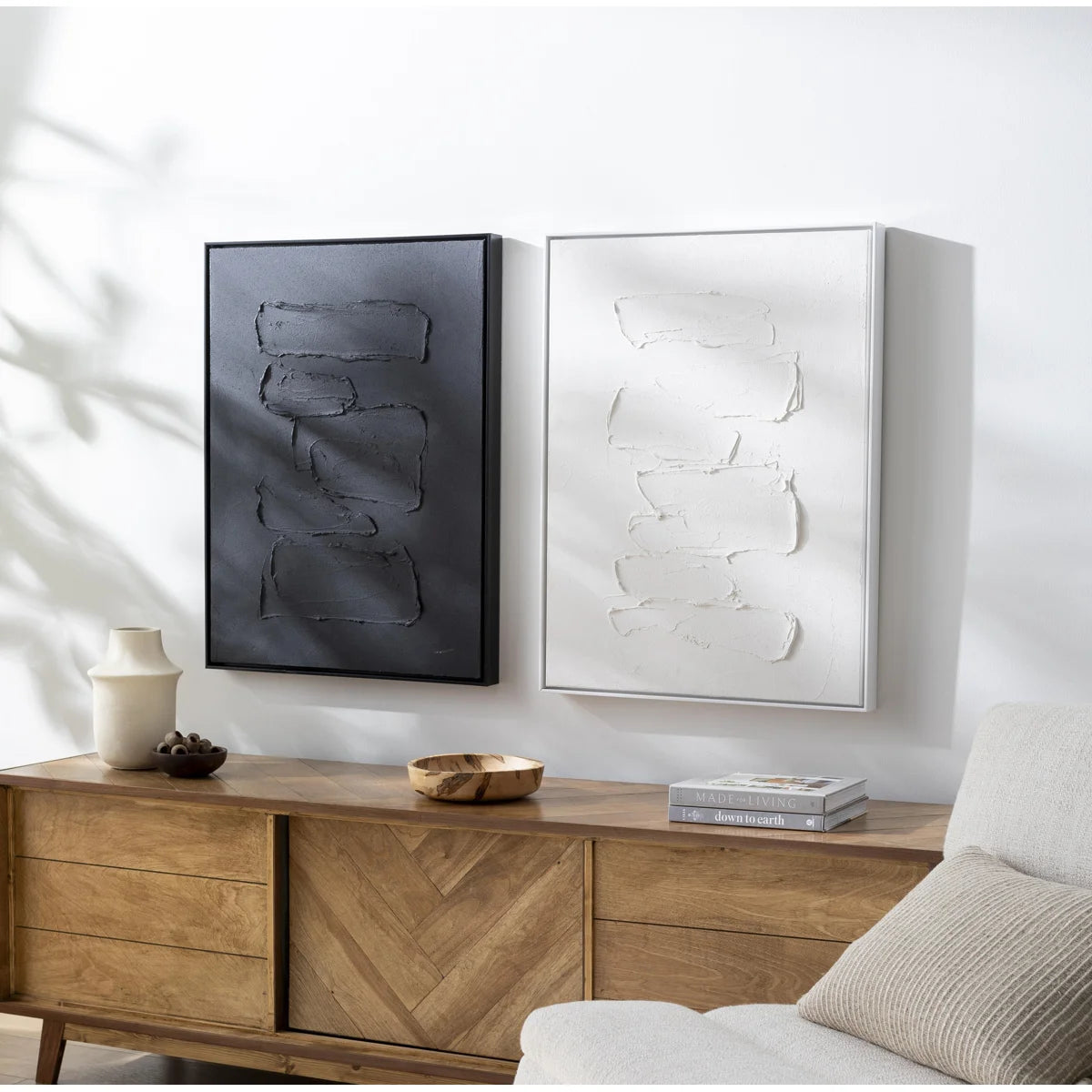
Japandi canvas wall art keeps things simple: a few strokes, soft shapes and lots of space. An abstract Japandi painting in beige or black and white suits most rooms. For more contrast, choose the blue or red-and-gold canvas.
Wall sculptures, vases and clocks
Some pieces blur the line between art and object. A wall sculpture with shelf or vase can hold a dried stem. A wall vase does the same in a compact form. The wood wall clock adds function.
How to choose your Japandi wall art?
Start with scale and placement. Above a sofa or bed, art should span about two-thirds of the furniture's width. A wall art set of 3 can fill that width while staying light on the wall. Hang the center around 57 to 60 inches from the floor, a common gallery height. Above furniture, leave 6 to 10 inches between the art and the furniture top. Match colors to your room's existing neutrals rather than to one accent. Dust gently with a soft, dry brush or cloth. Keep canvas and textured pieces out of harsh direct sun and bathroom humidity.
What to pair Japandi wall art with?
Give the art a simple, natural base below it, such as a low console, a wood bench or a sideboard. Repeat one tone from the art in a pillow or one of our Japandi vases. To bounce more light around, add one of our Japandi mirrors nearby. This art also suits minimalist, organic modern, wabi-sabi and modern farmhouse interiors.
A word from the store
Japandistore only lists Japandi-style pieces. We hand-pick our wall art from established partners, mainly Homary, plus Burke Decor and Wayfair. Before listing, we compare materials, dimensions, real buyer reviews and the partner's warranty and return terms. Most pieces range from about $100 to $280. Prices, stock, shipping and returns are set by each partner and shown on their site.
FAQ — Japandi wall art
What kind of art goes with Japandi decor?
Look for simple, mostly abstract art in muted, earthy colors. Textured pieces, soft line drawings and minimal landscapes all work. Avoid busy patterns, neon colors and heavy ornate frames. One larger piece usually feels calmer than many small ones.
How big should wall art be above a sofa?
Aim for about two-thirds of the sofa's width. For an 84-inch sofa, that means art around 56 inches wide. One canvas or a set of panels can reach it. Leave 6 to 10 inches above the sofa back.
Does Japandi art have to be neutral?
No, but color should stay soft and grounded. Muted blue, sage, clay, rust and deep red all fit when used sparingly. Black and white works for contrast. Repeat colors already in the room, such as wood, linen or stone.