

Hand-picked from trusted furniture stores
Low profiles, warm wood, linen and soft paper light. We compare materials, sizes and real buyer reviews from established stores, so you can choose your Japandi pieces with confidence.
Shop by category
The 10 Japandi collections our visitors browse most
Start with the pieces that shape a room: a low sofa, a wooden coffee table and a natural rug. Then add warm, soft light.
Buying guide
How to choose Japandi furniture, piece by piece
The same few rules come back in every room: real materials, low and simple shapes, and sizes that leave space to breathe. Here is what to check for each category before you buy.
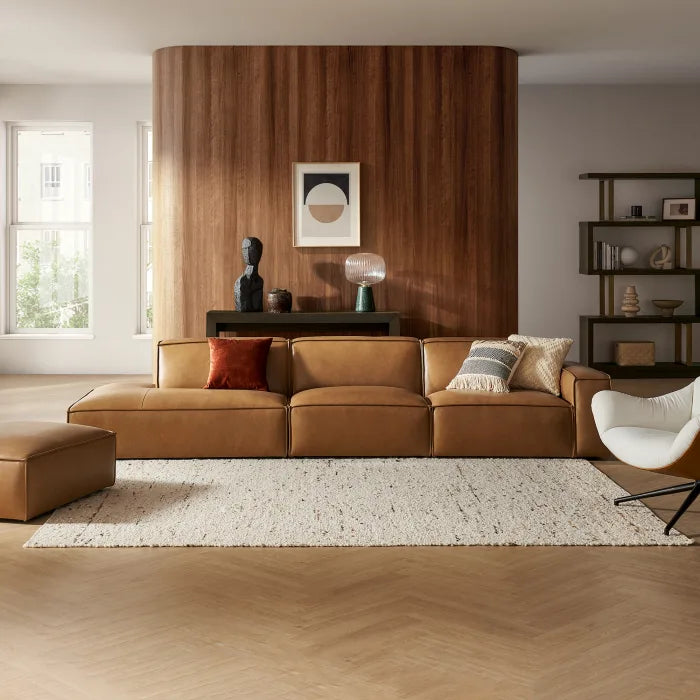
Sofas
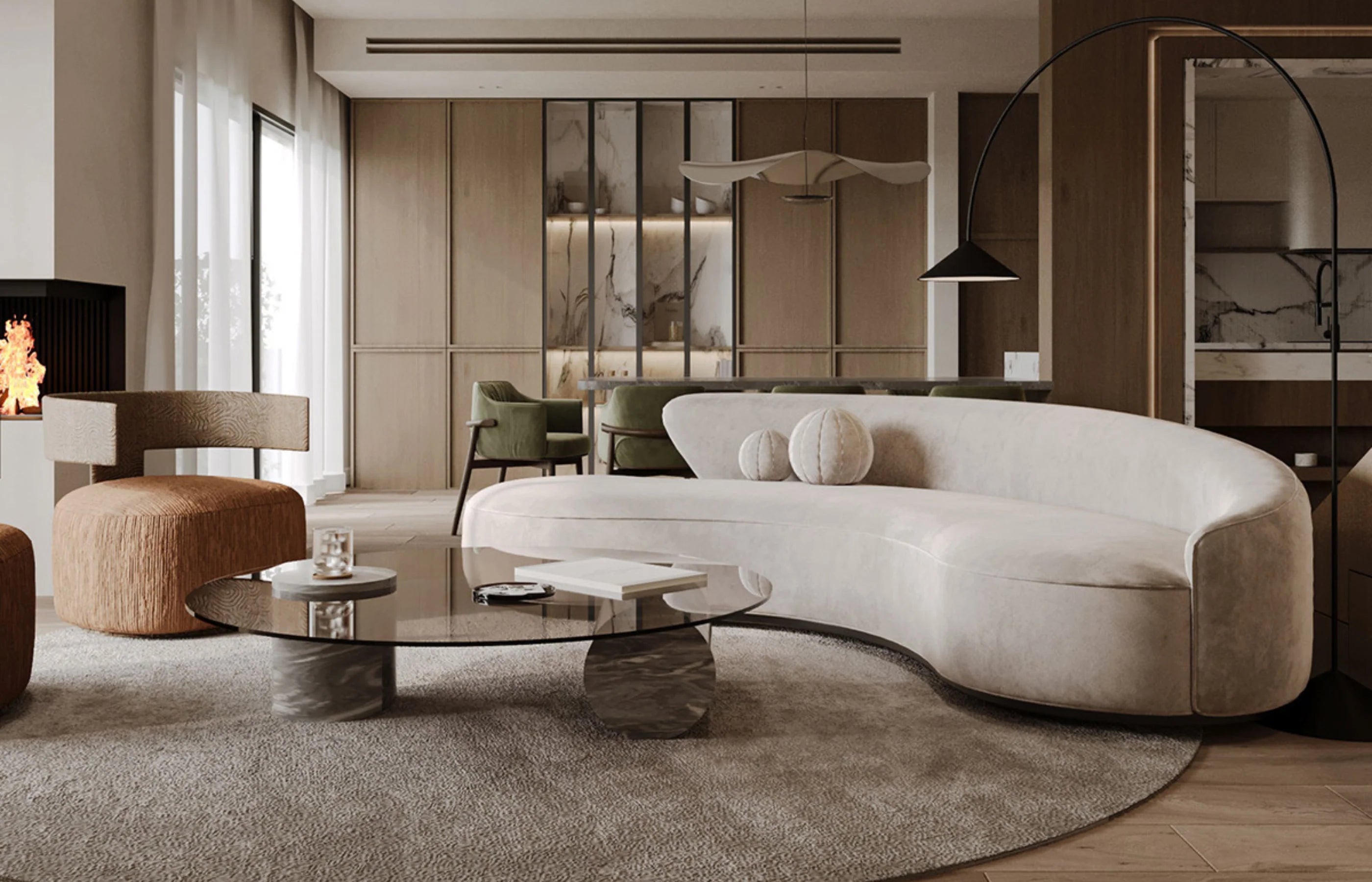
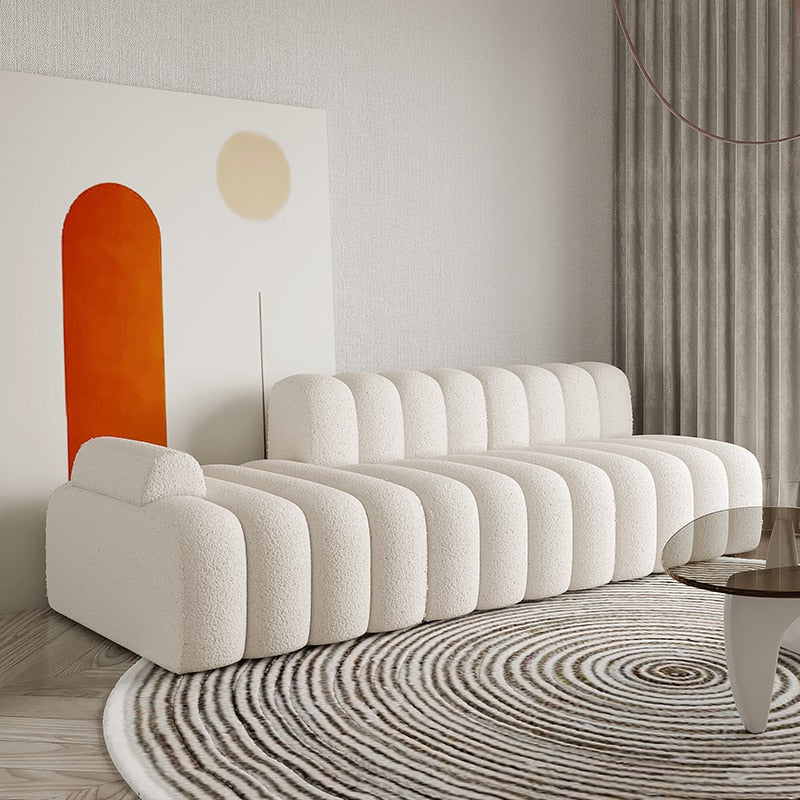
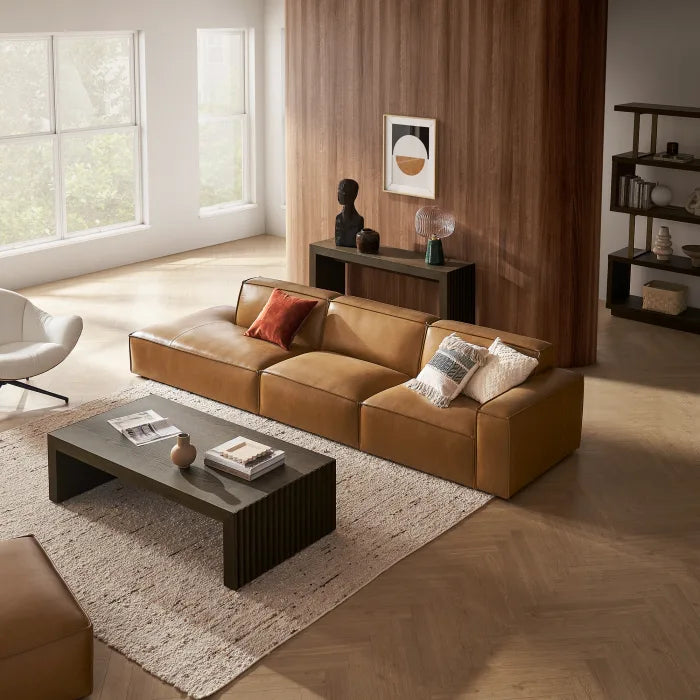
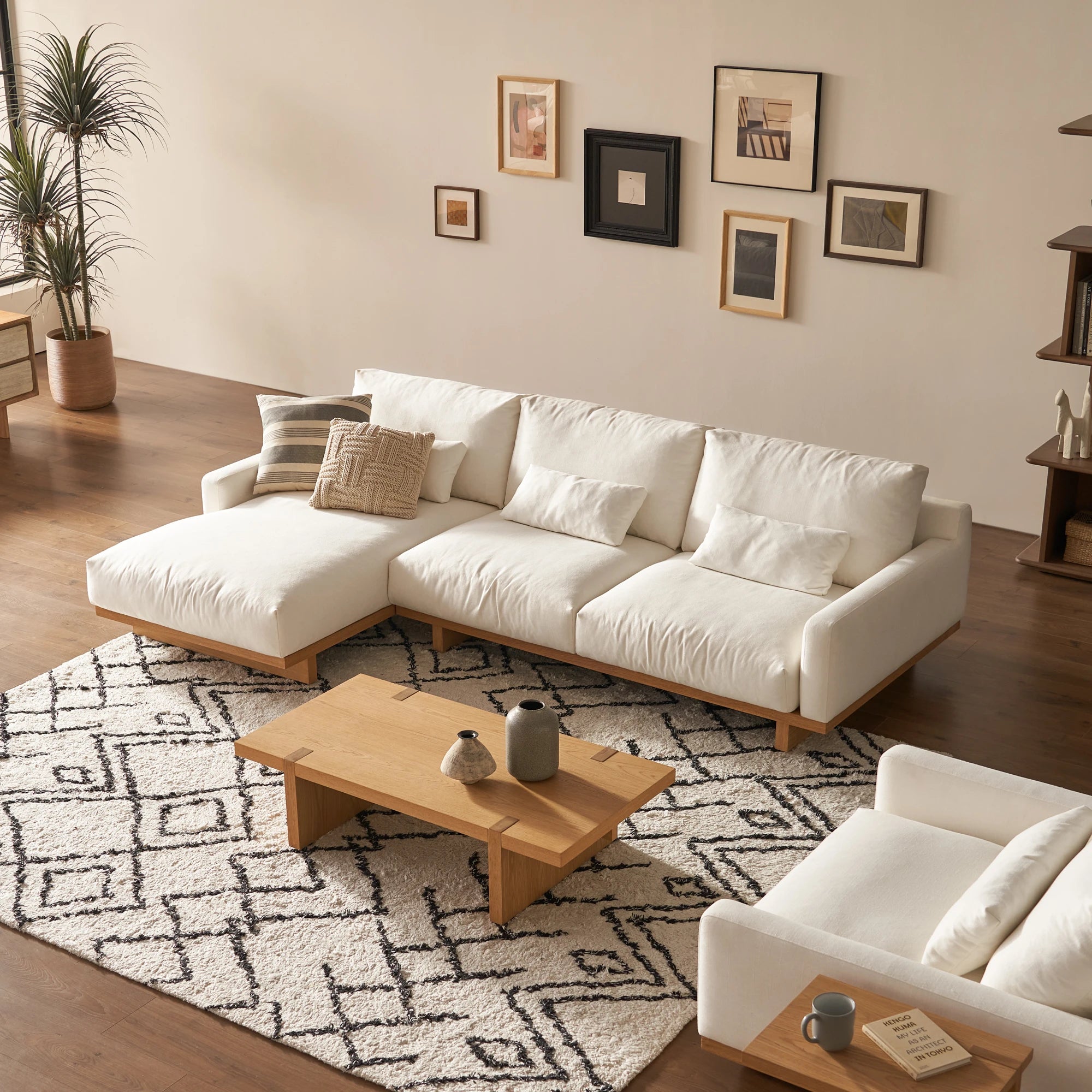
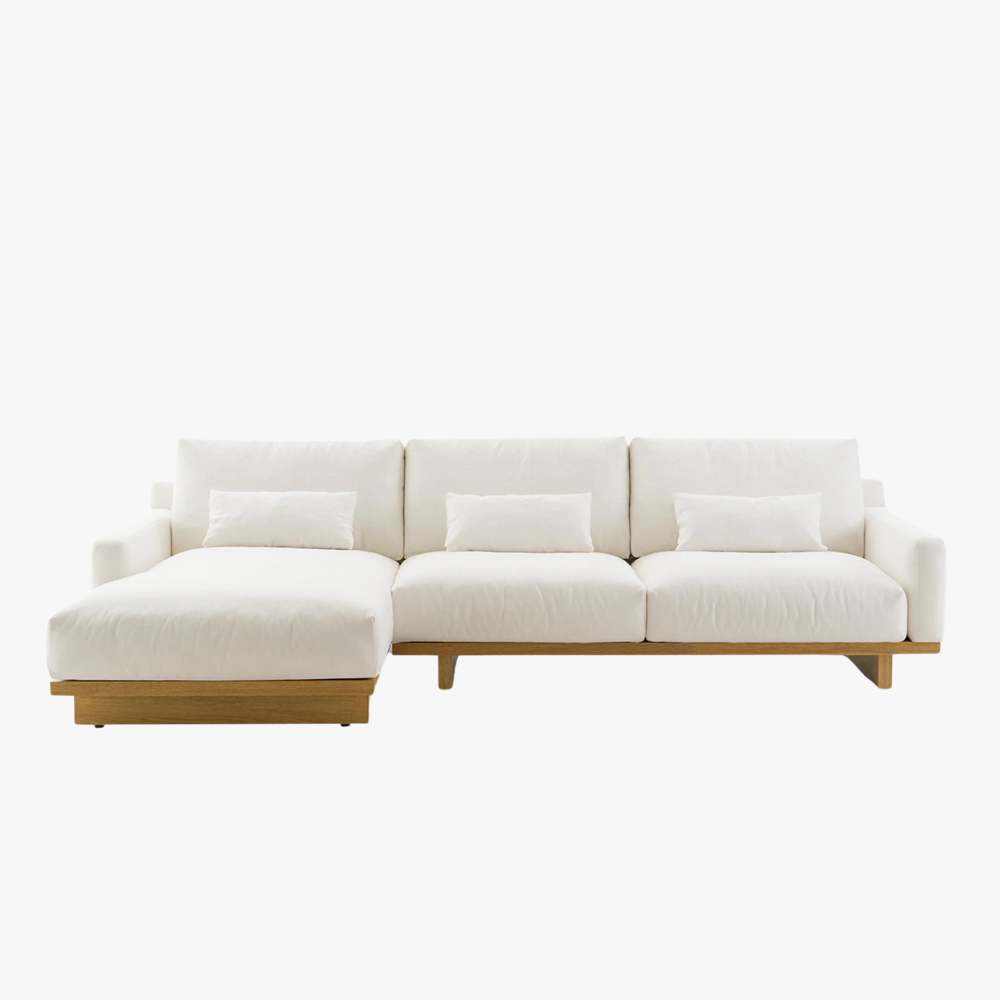
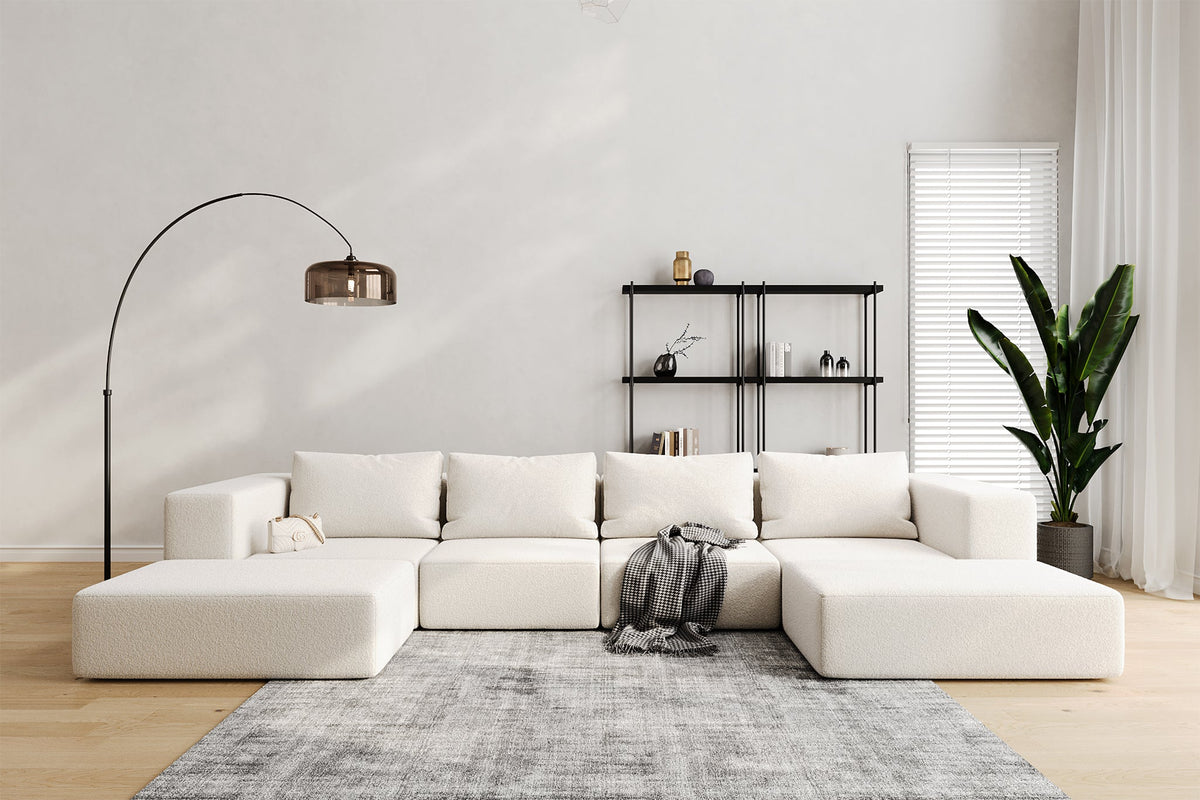
Look for a low, deep seat, a simple frame and natural fabrics such as linen, boucle or leather. Low sofas feel calm, but check the seat height and depth: your knees should not sit higher than your hips. With pets, a tight-weave performance fabric in a mid tone lasts longer than loose linen.
Coffee tables
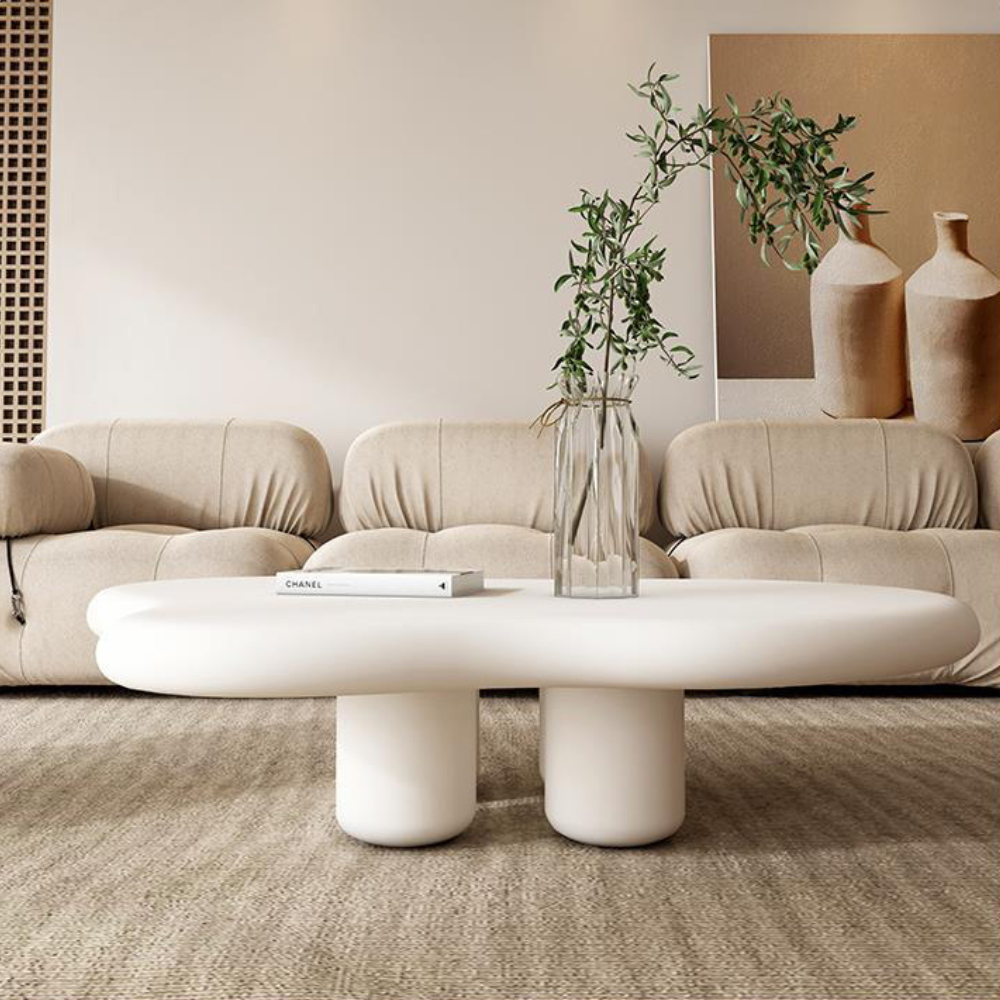
Aim for a table about two-thirds the length of your sofa, placed 14 to 18 inches away. Solid wood, rounded edges and a low profile suit the style best. Travertine looks beautiful, but acids like wine or lemon can mark it, so seal it and use coasters.
Rugs
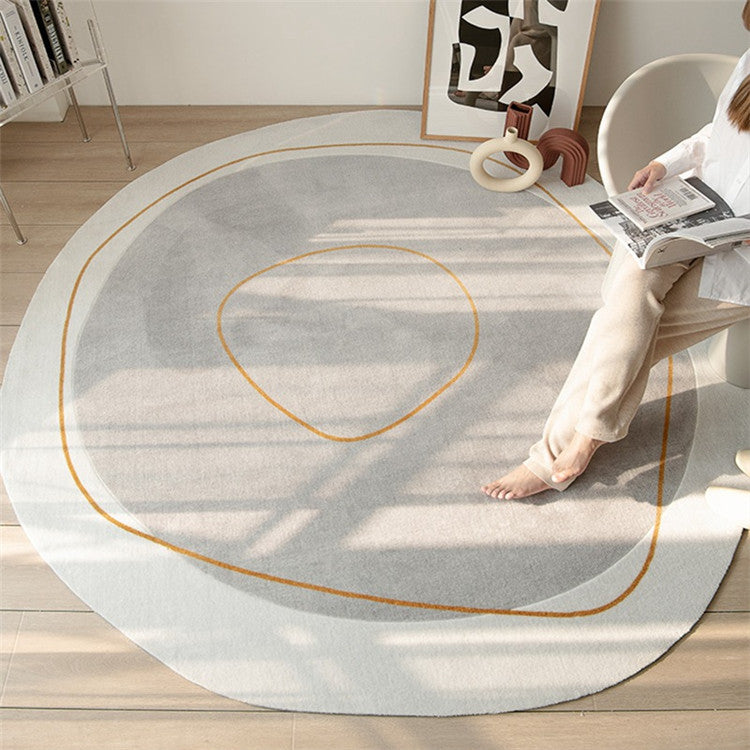
A rug is the easiest way to bring warmth and tie different wood tones together. Jute looks natural but sheds a little and can trap crumbs, so a wool blend is easier under a dining table. Choose a size where at least the front legs of the furniture sit on it, and add a rug pad.
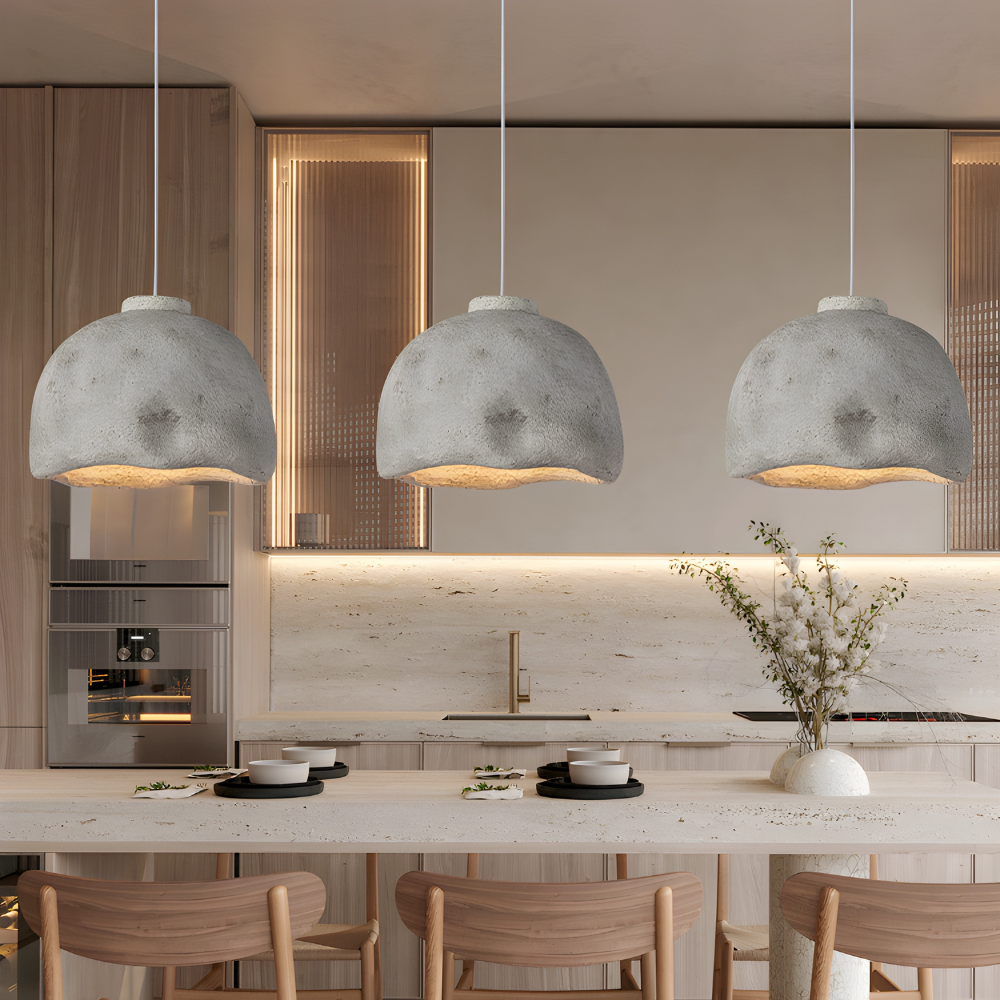
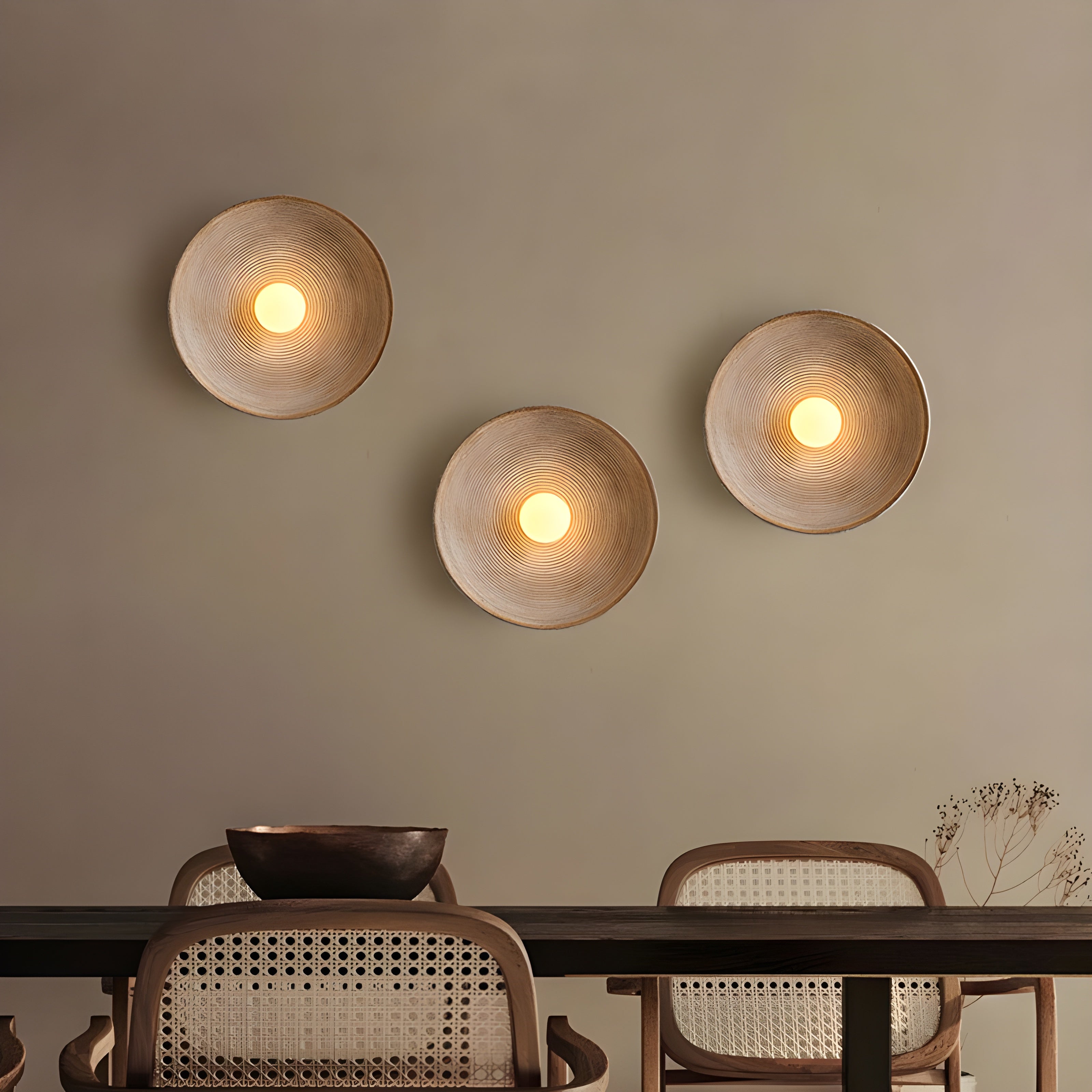
Pendant lights
Paper, rattan and linen shades give the soft, diffused glow Japandi is known for. Over a dining table, hang the pendant about 30 to 36 inches above the top. Use warm white bulbs so wood and fabric look warm, not gray.
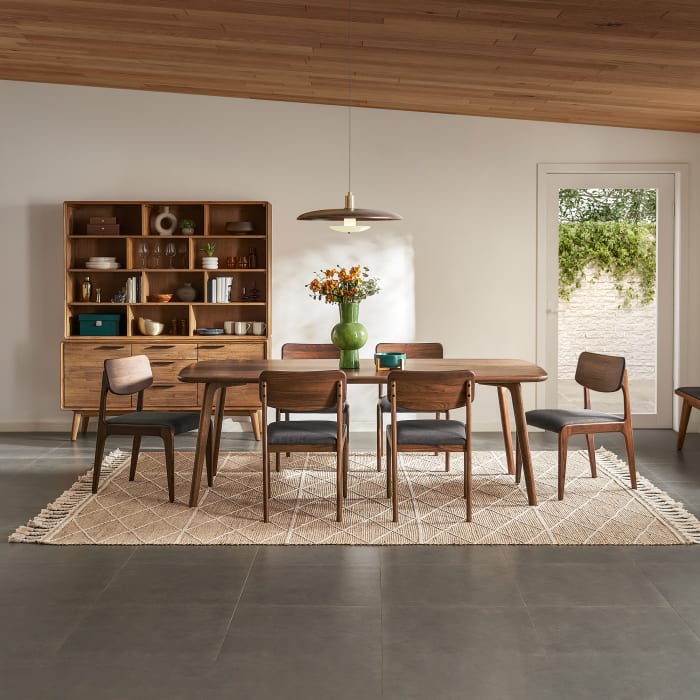
Dining tables
Choose solid wood or a good wood veneer with a clean, simple base. Leave about 36 inches between the table and the wall so chairs pull out easily. A round table softens a small room; a long rectangle suits benches and bigger groups.
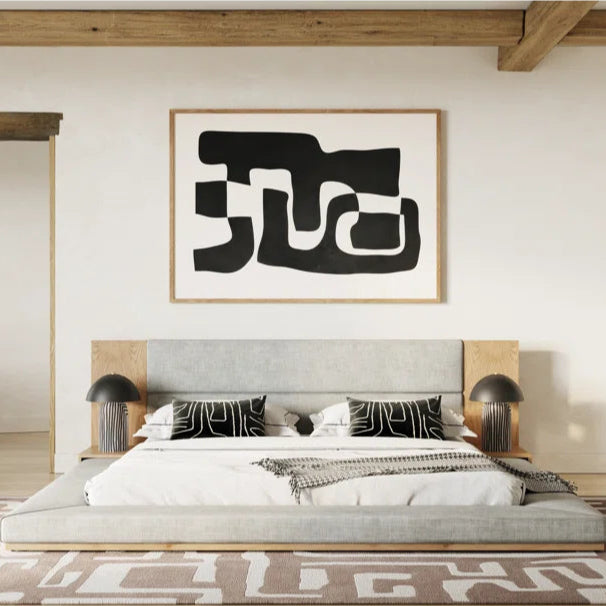
Beds
Japandi beds sit low, with a plain wooden or upholstered frame and no clutter. A slatted platform lets the mattress breathe. If you choose a floor-level bed, air the mattress regularly so moisture does not build up underneath.
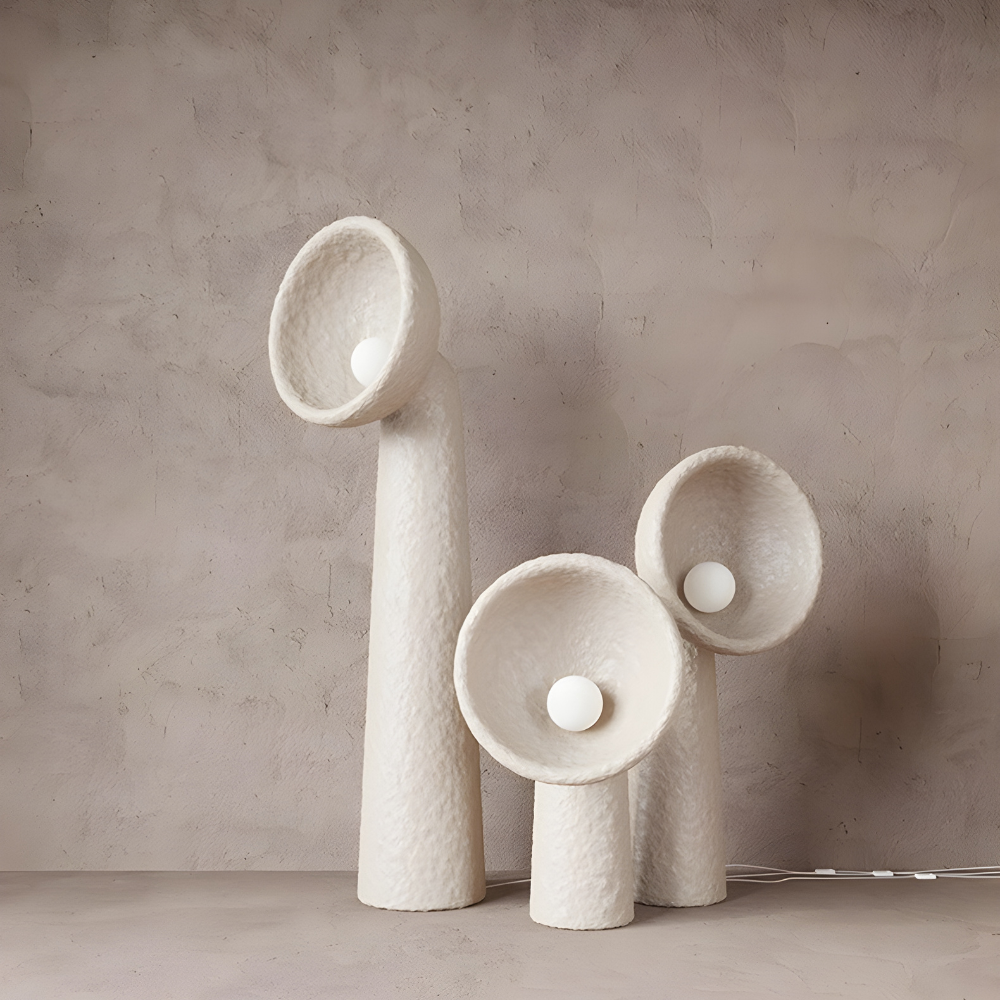
Floor lamps
A floor lamp adds a second, softer layer of light next to a sofa or reading chair. Paper and fabric shades diffuse light gently; wood or matte metal bases keep it simple. Make sure the shade sits above eye level when you are seated.
Wall sconces
Sconces free up floor and table space, which helps in small rooms and beside the bed. Check whether you need a hardwired fixture or a plug-in model before you order. Natural shades and warm bulbs keep the light soft.
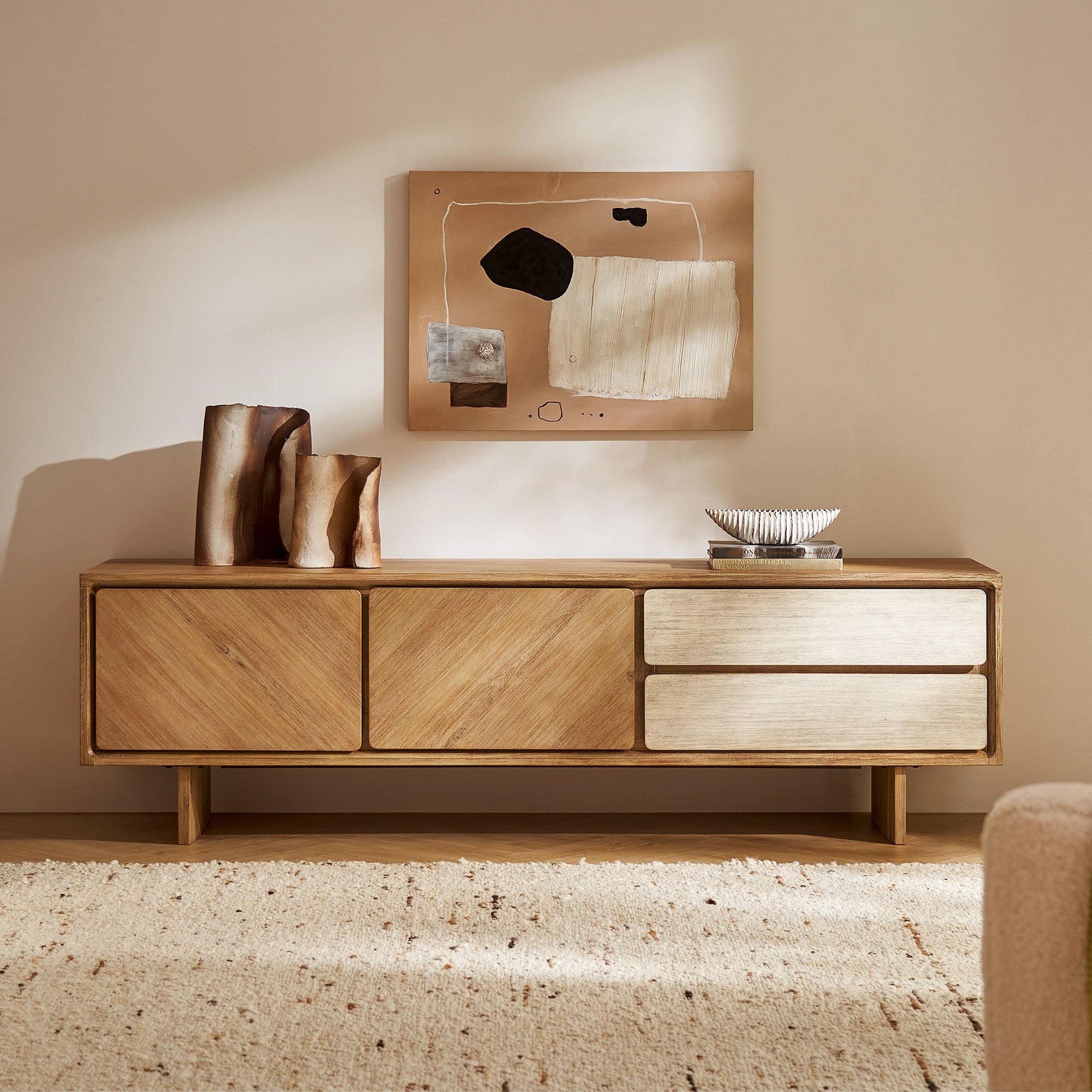
TV stands
A long, low TV stand keeps the room calm and hides cables and clutter. Pick one a little wider than your TV, in a wood tone that matches your other pieces. Closed storage with slatted or cane doors suits the style.
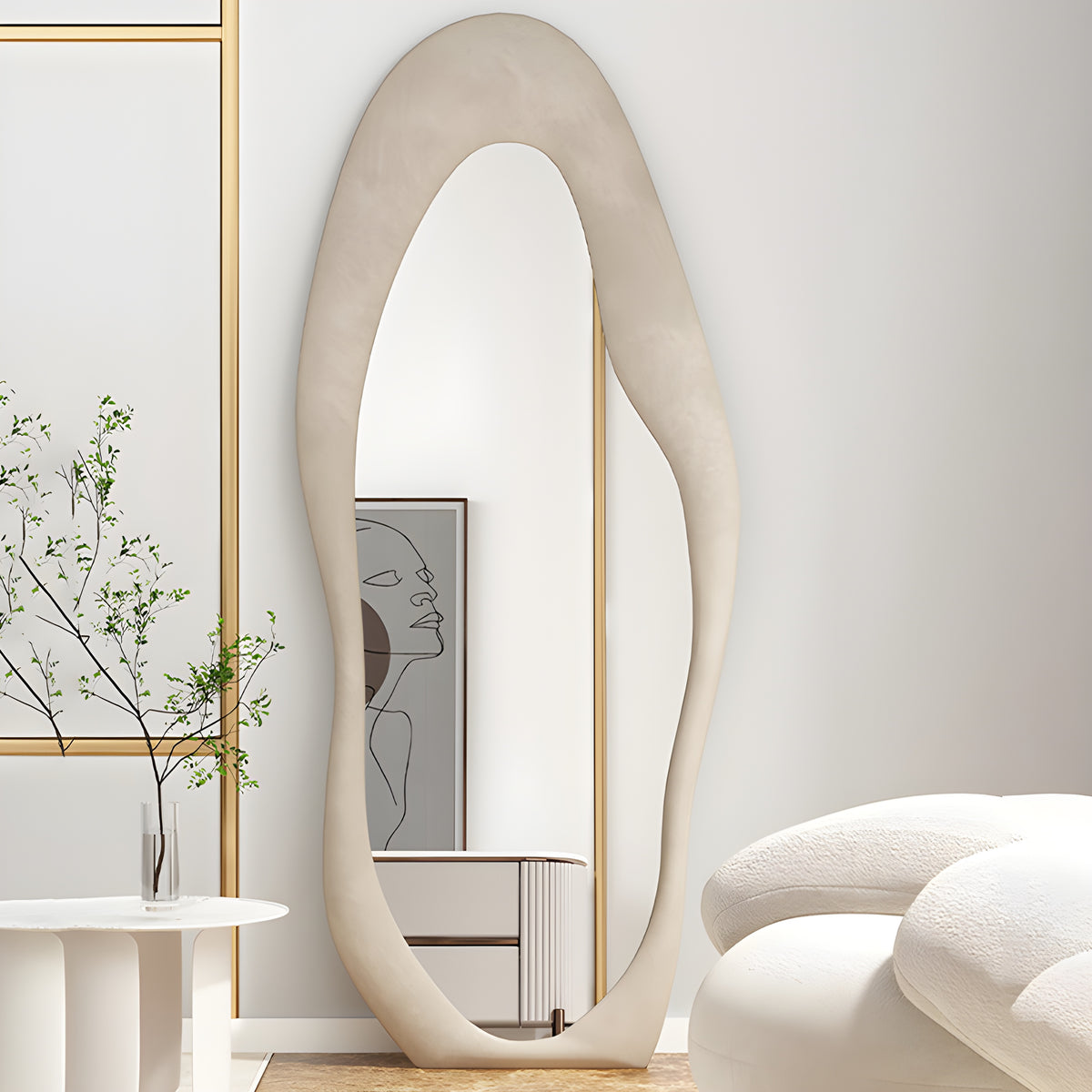
Mirrors
A mirror bounces light and makes a small room feel bigger. Look for simple round or arched shapes with thin wood, rattan or matte metal frames. Hang it so the center sits at about eye level.
Most-browsed collection
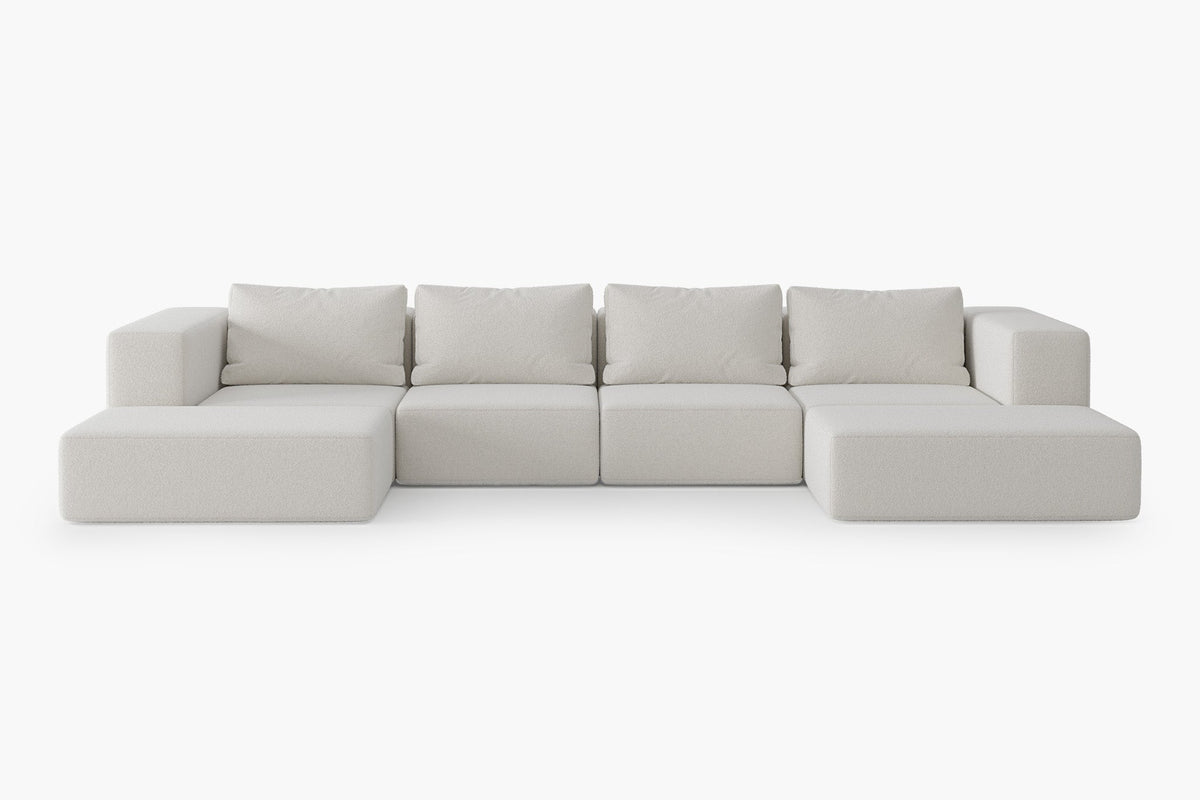
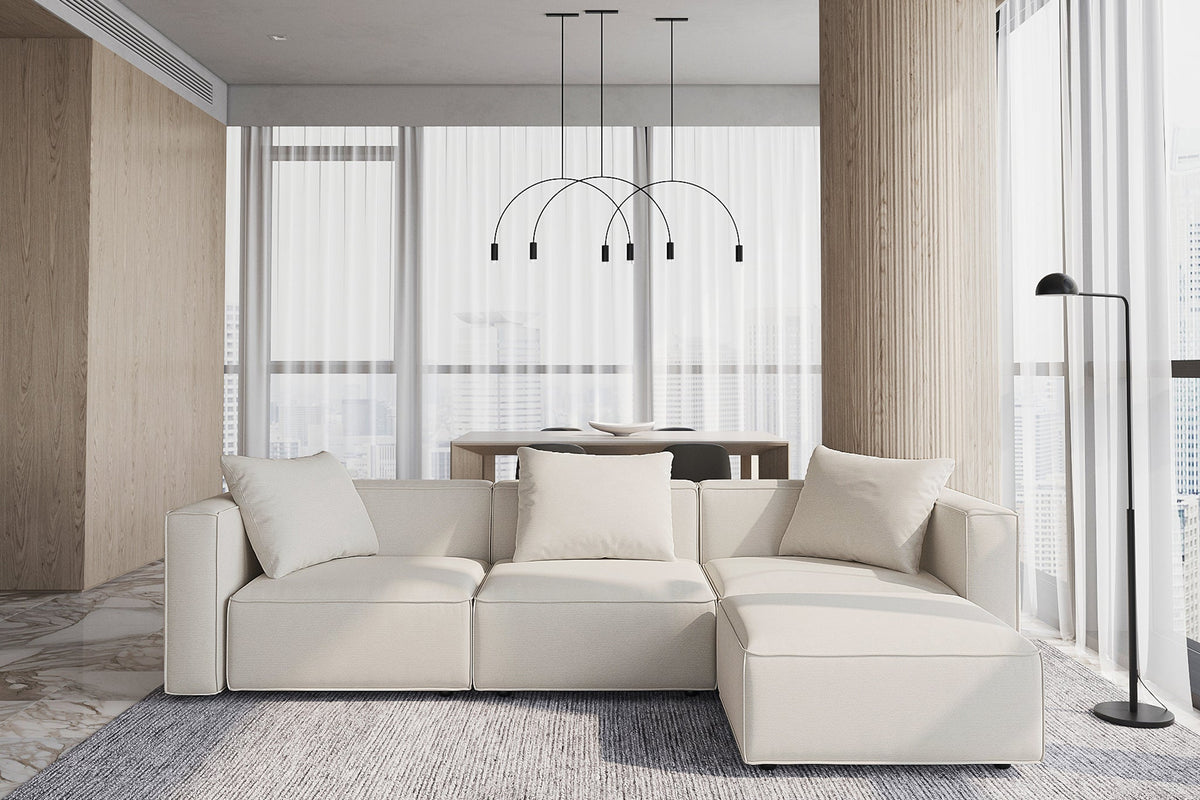
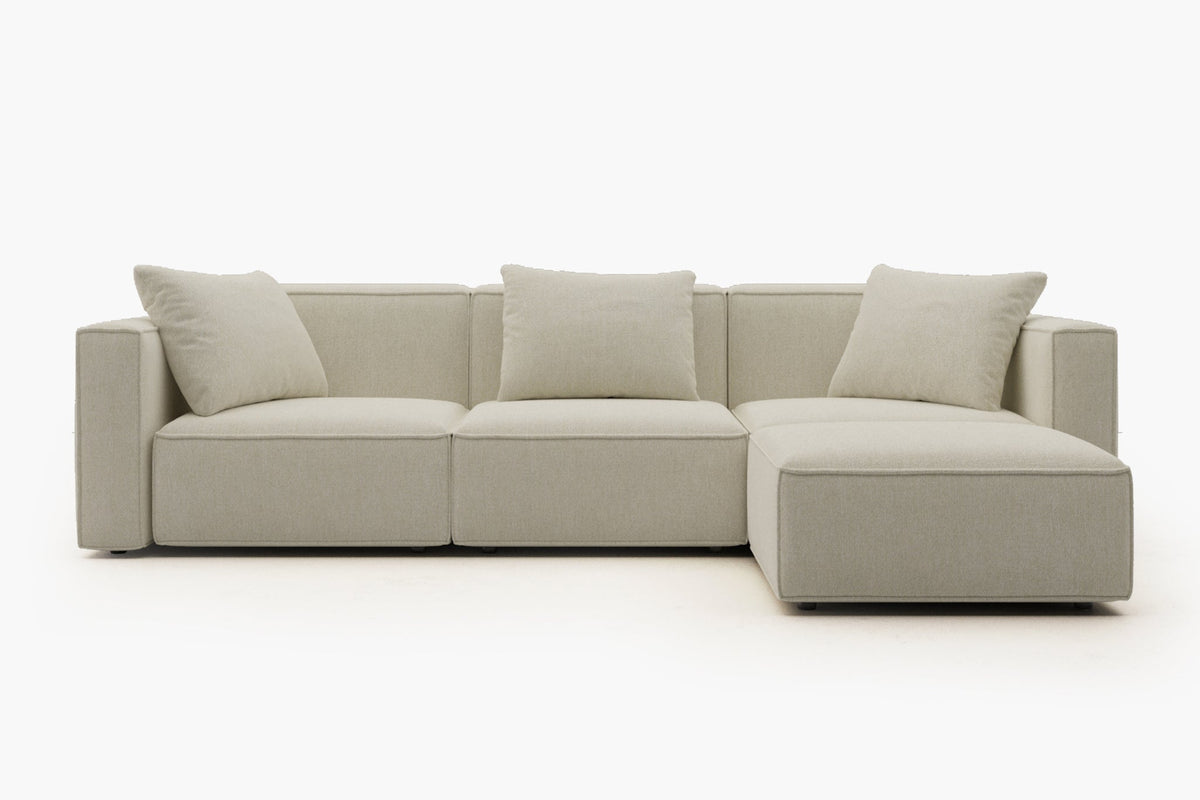
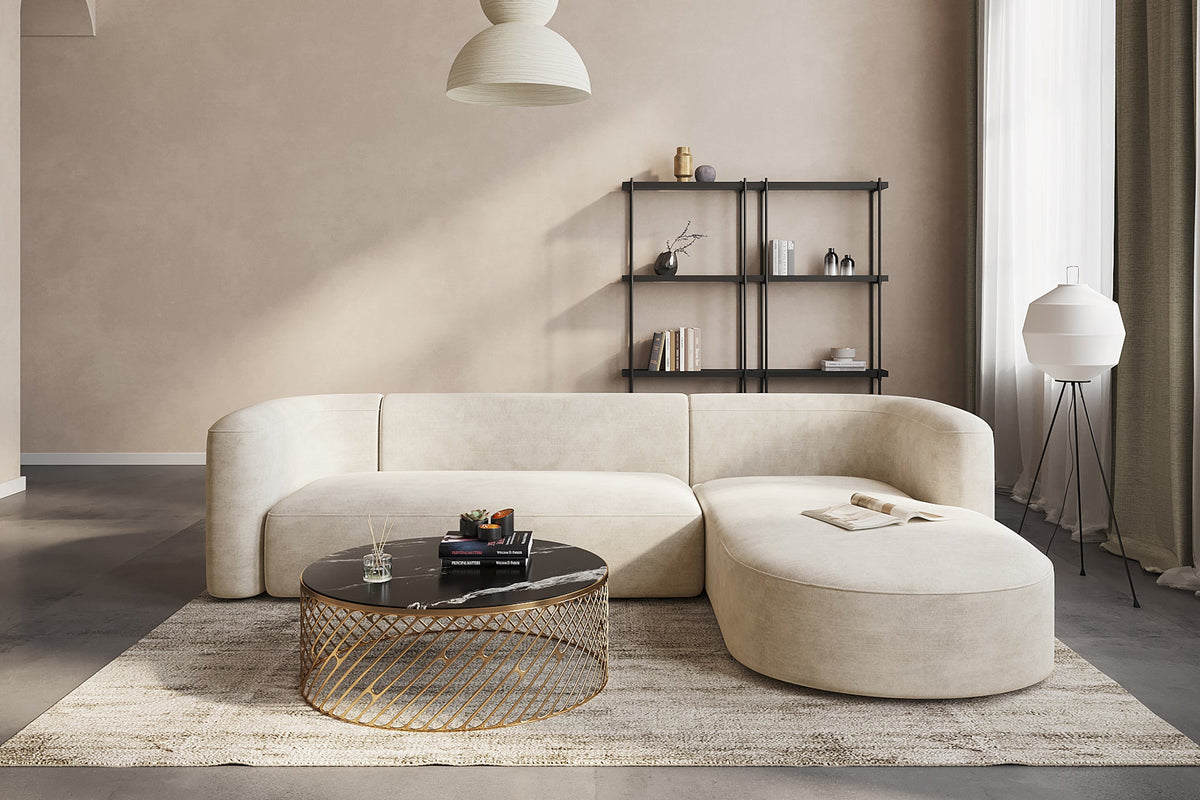
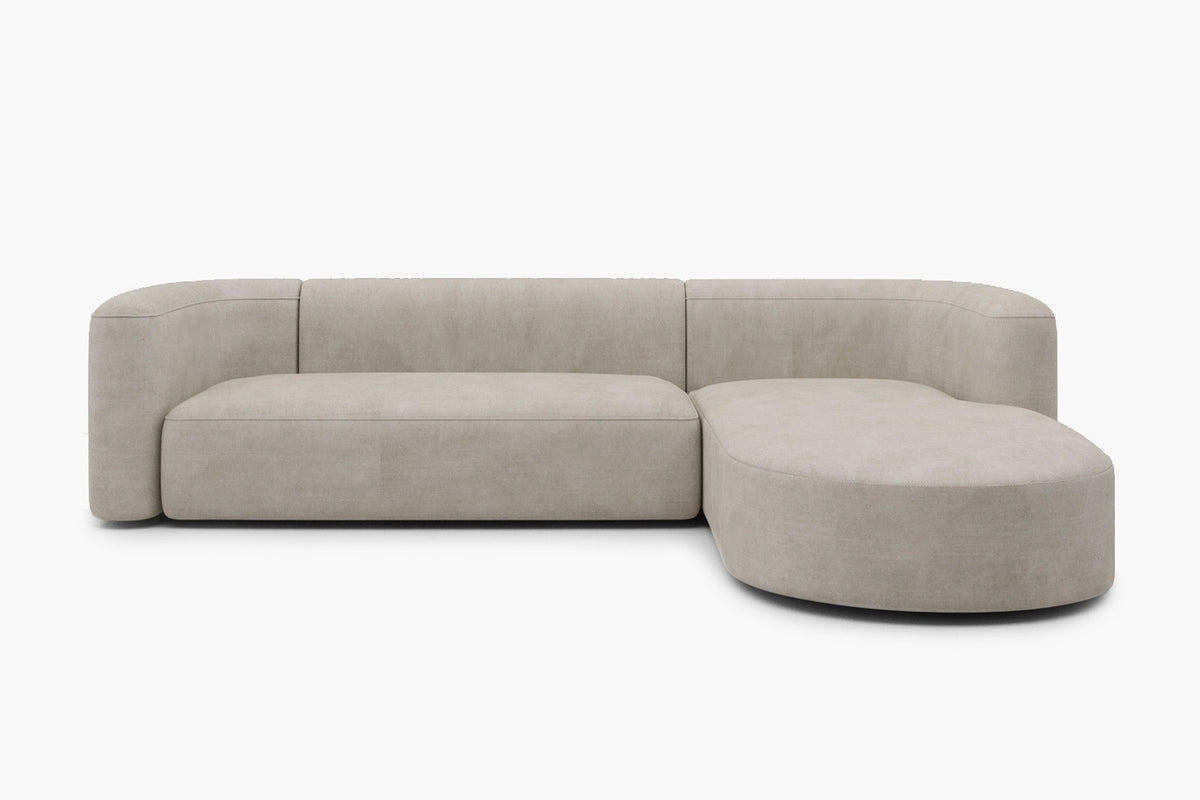
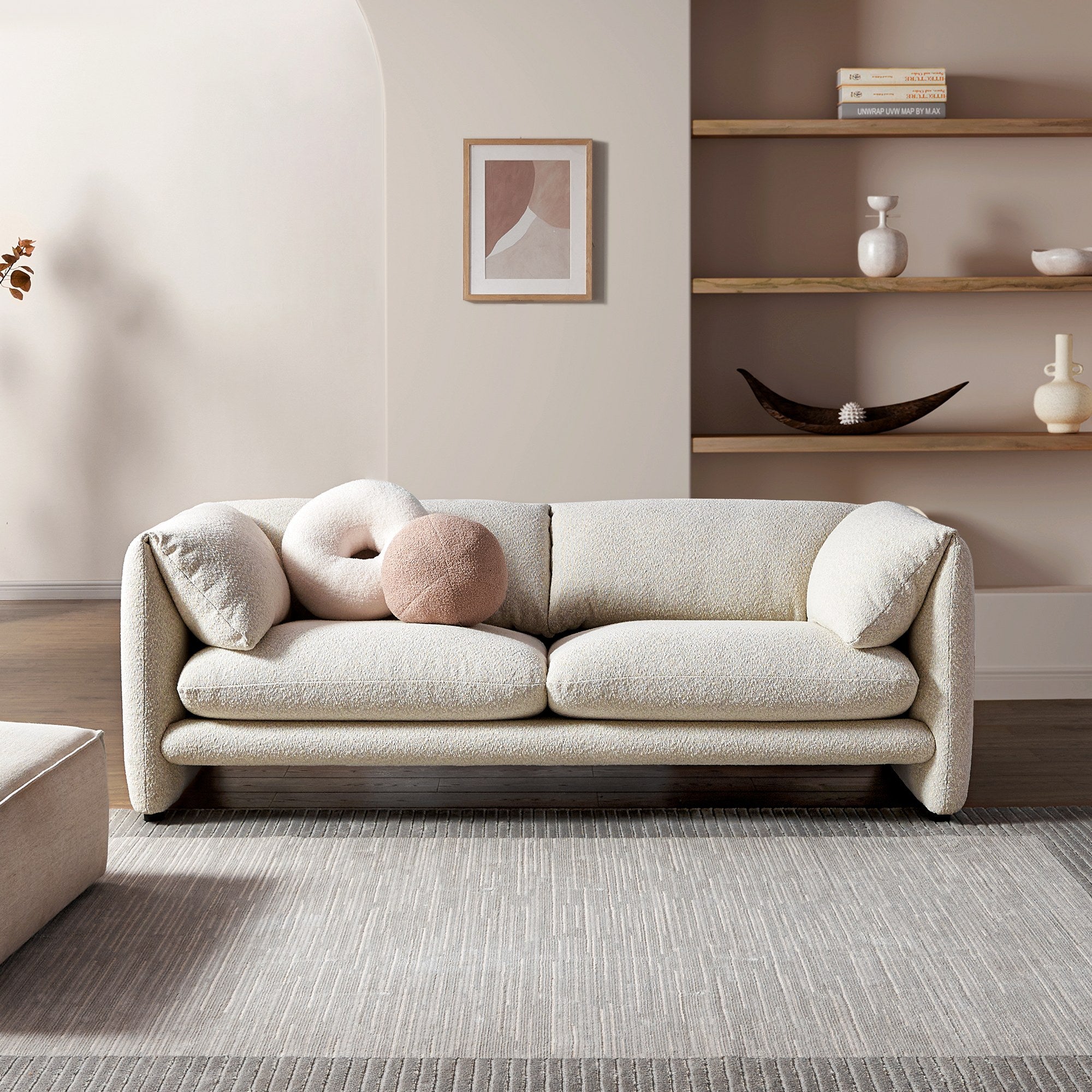
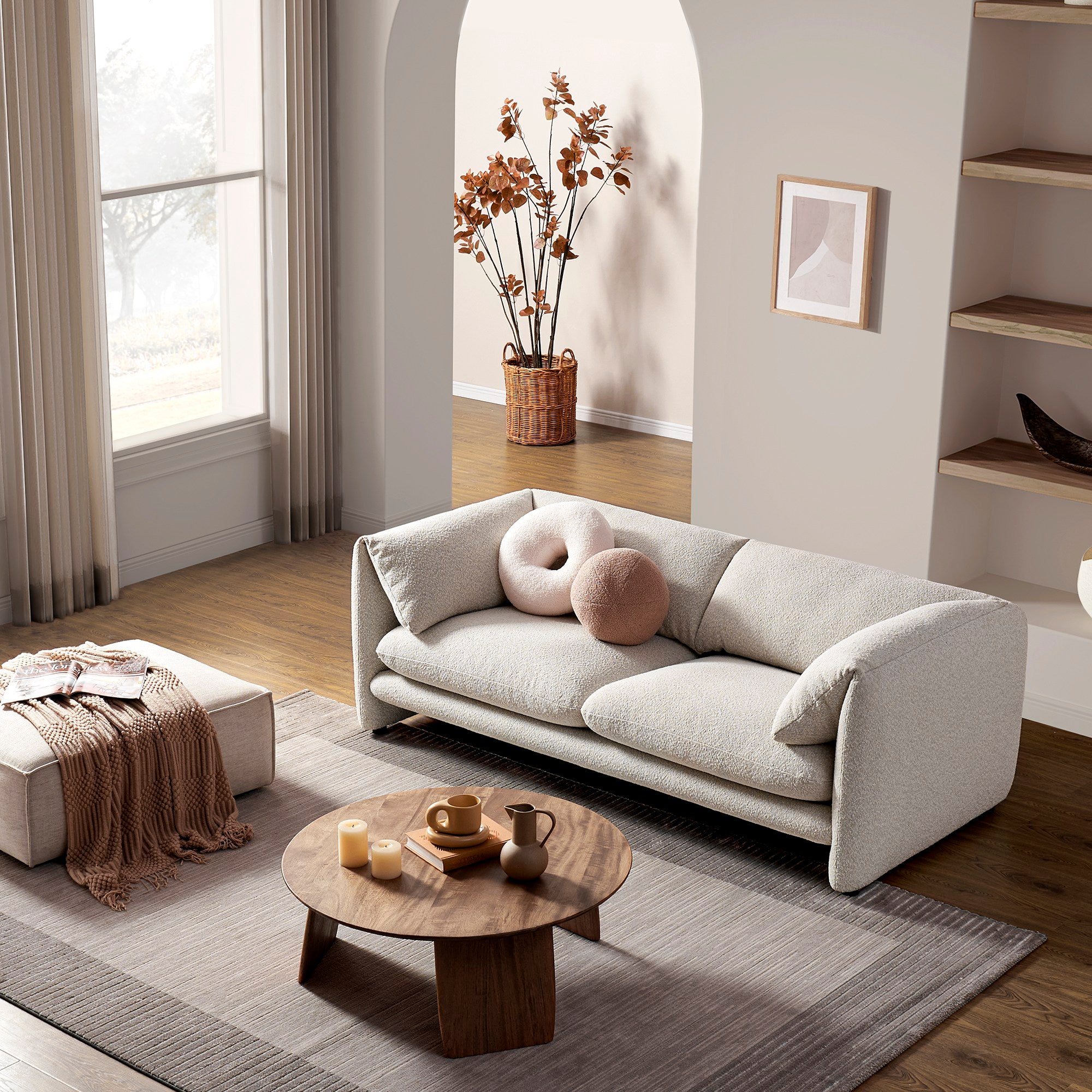
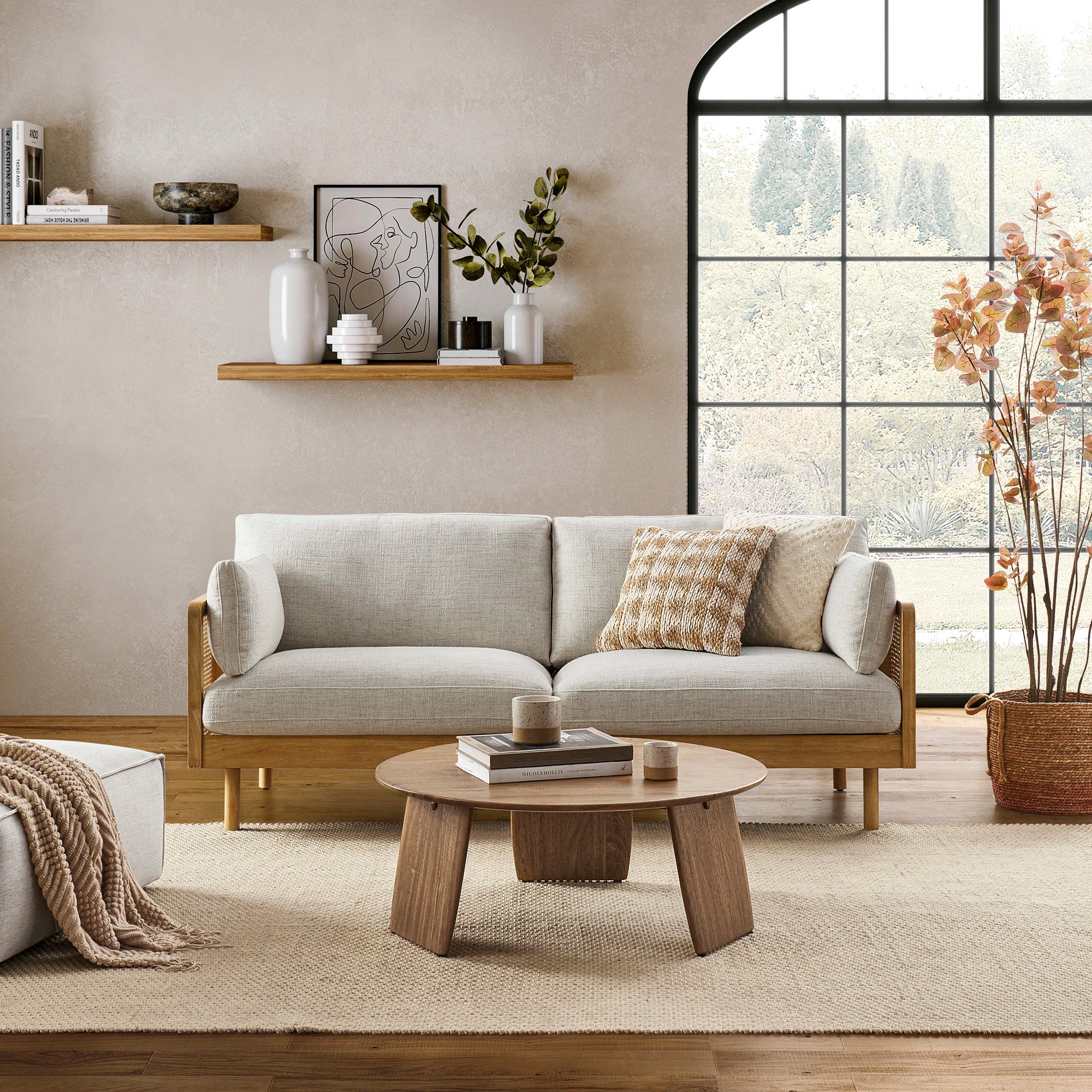
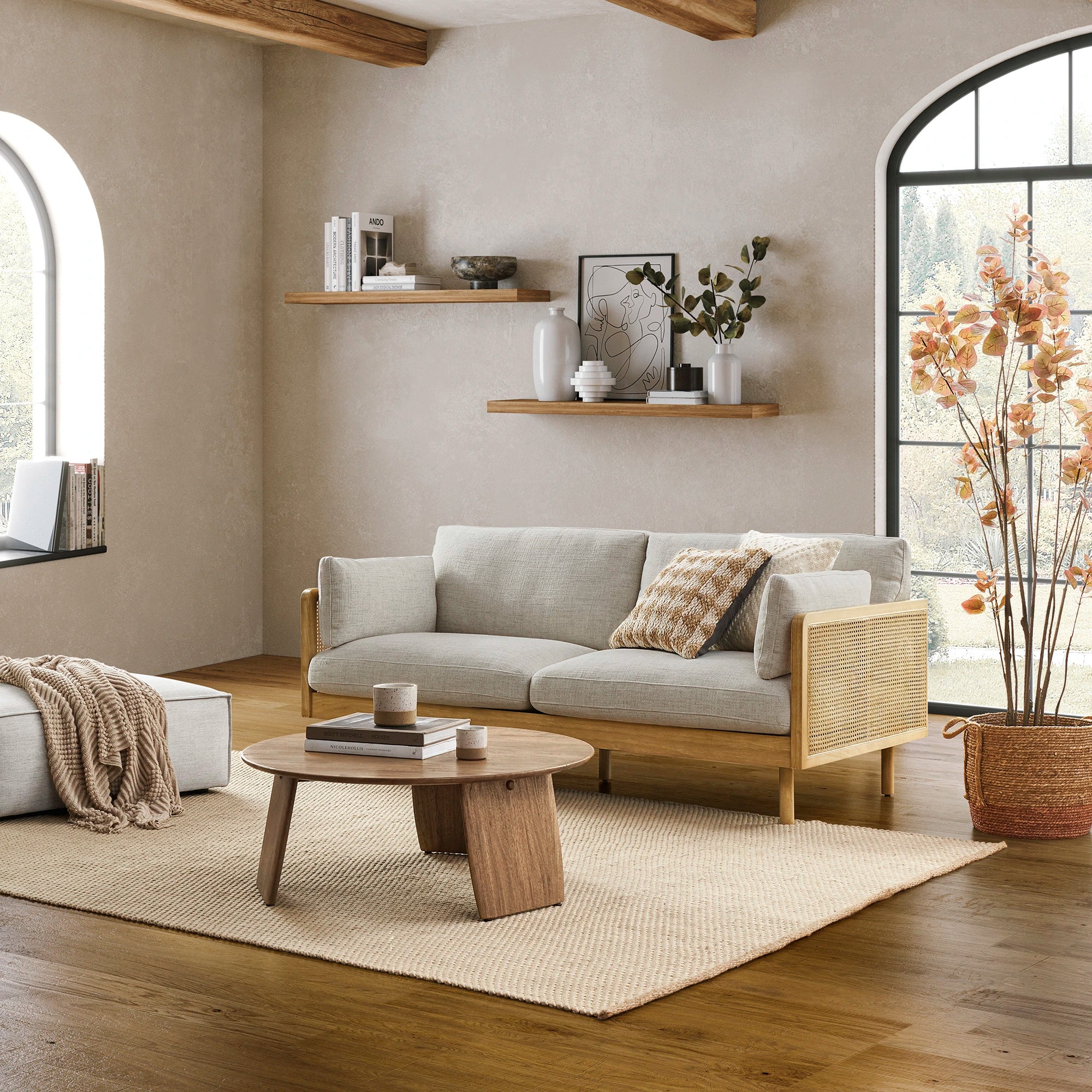
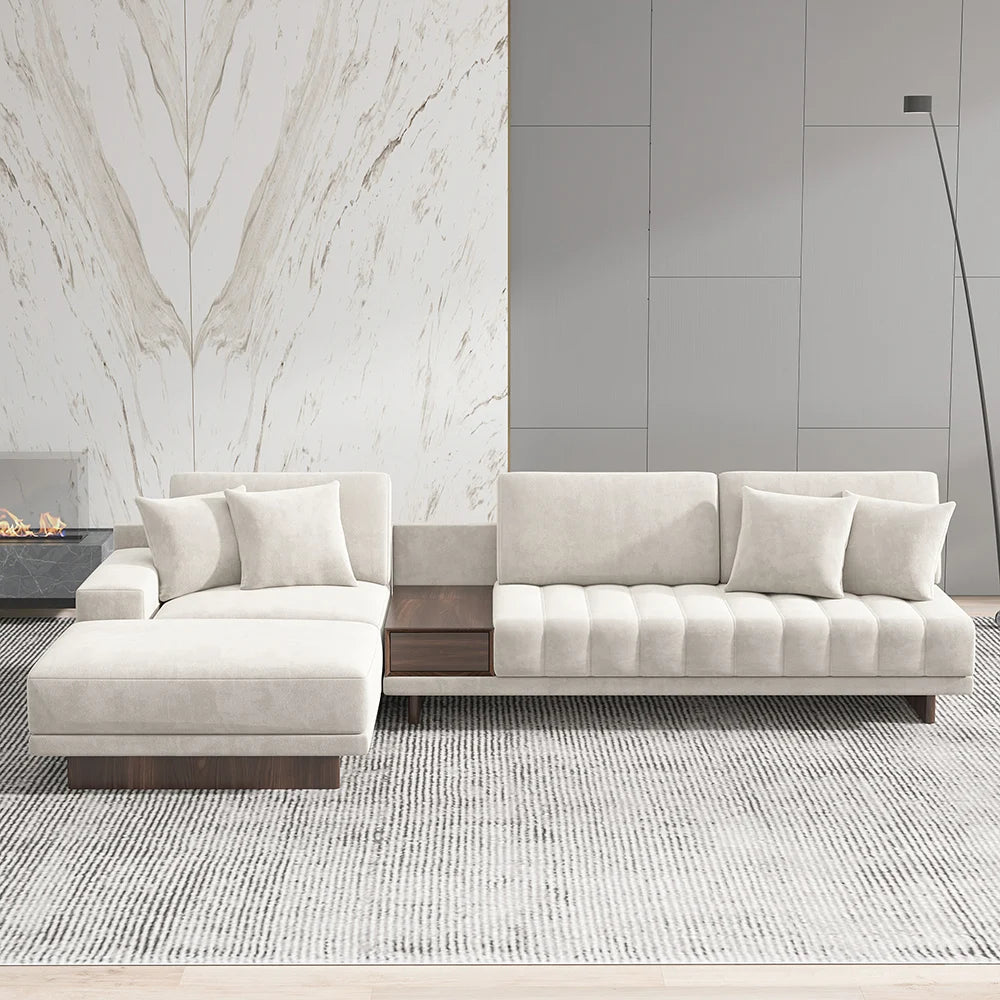
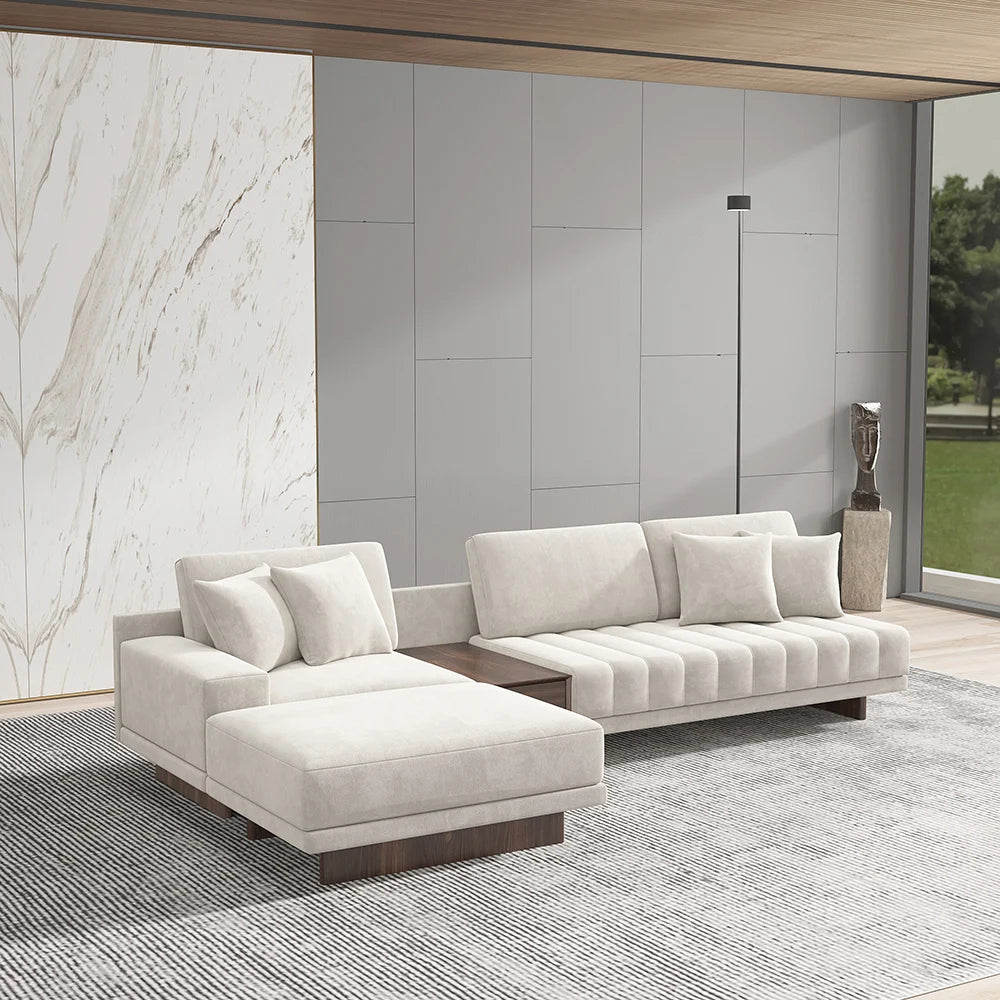
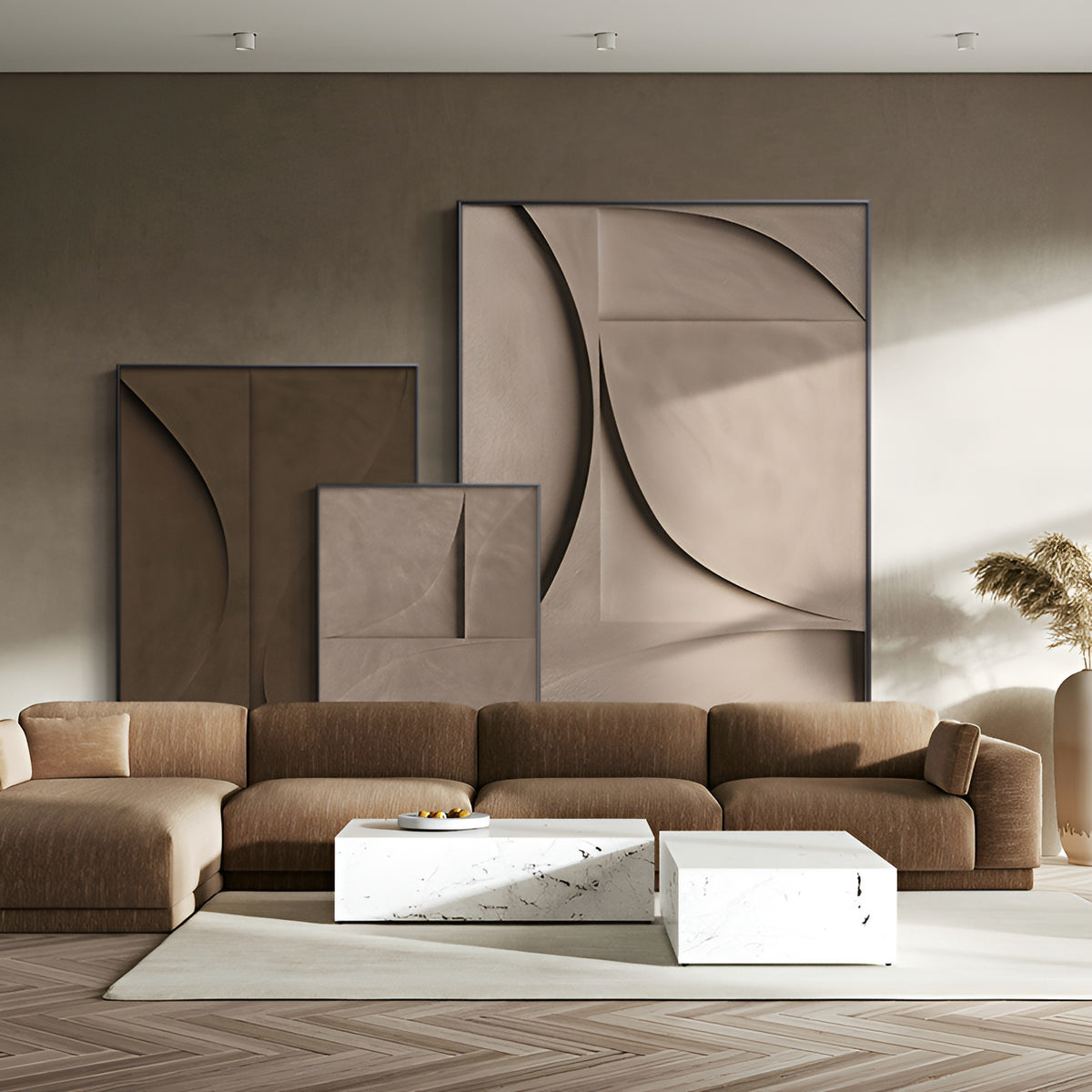
Japandi sofas
Low, deep and simple, in linen, boucle or leather, from Castlery, Homary, Acanva and Wayfair.
The style explained
What is Japandi furniture?
Japandi is a blend of Japanese and Scandinavian design. The name joins the two words, and the style became popular in the late 2010s.
From Japan it takes wabi-sabi: beauty in natural, imperfect and handmade things. From Scandinavia it takes hygge: comfort, warmth and light. Together they give rooms that are calm, simple and practical.
You can recognize Japandi furniture by its low profiles, clean lines, real materials such as oak, walnut, linen, rattan and stone, and a soft palette of warm whites, beige, clay and charcoal.
Read our Japandi inspiration
2/3
Coffee table size
A coffee table about two-thirds the length of your sofa looks balanced.
14–18 in
Sofa to coffee table
Close enough to reach a cup, with room to walk past.
30–36 in
Table to pendant
Hang a dining pendant this high above the table top.
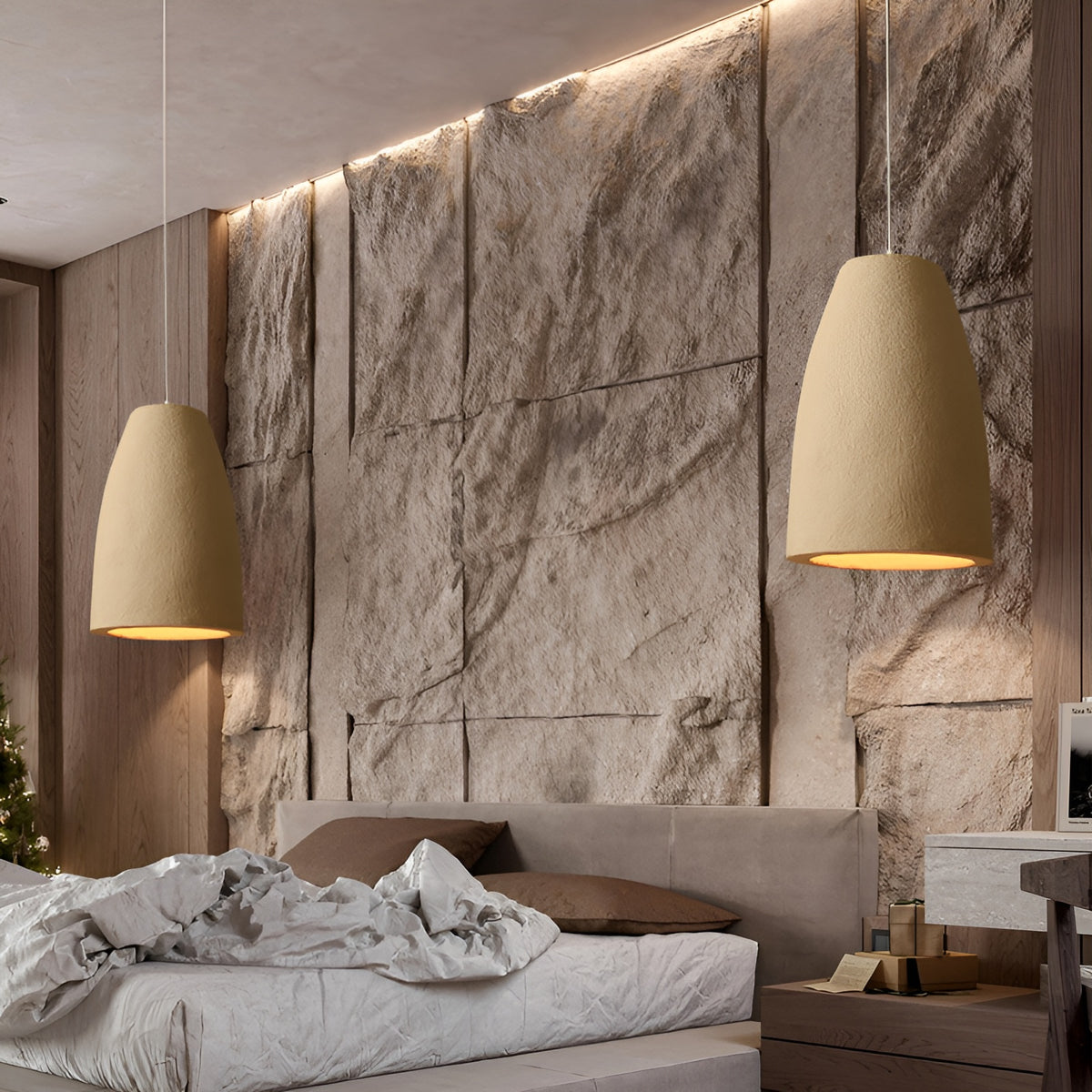
Avoid the empty look
How to make Japandi feel warm, not cold
A common worry is that Japandi can look cold or all beige. The fix is texture and warmth, not more things.
Mix a darker wood such as walnut with light oak. Add a wool or jute rug, linen cushions, a handmade ceramic and a plant. Use warm white paint on the walls and warm white bulbs in the lamps.
When you mix woods, match their undertones (warm with warm) and let a rug or textile bridge the two.
Shop Japandi rugsBefore you buy
The Japandi buying checklist
Wood tones
Pick one main wood and one accent. Light oak with walnut is a classic pair. Match warm or cool undertones, and repeat each tone at least twice in the room so it looks planned.
Materials
Solid wood lasts longest and can be refinished. Good veneer over a stable core is a sound mid-budget choice. Linen wrinkles and is less pet-friendly; performance fabrics resist stains. Jute sheds a little; wool blends are softer. Seal travertine and marble against acids.
Low furniture
Low sofas, beds and tables are part of the look, but comfort comes first. Check seat height and depth in the product dimensions. If you have knee or back trouble, choose slightly taller legs and firmer cushions.
Lighting
Layer light: a pendant or ceiling light, a floor lamp, then a table lamp or sconce. Paper, rattan and linen shades soften the glow. Warm white bulbs (around 2700K) keep wood and fabric looking warm.
Budget
Spend most on the pieces you touch every day: the sofa, the bed and the dining table. Save on decor, which you can change later. Fewer, better pieces are the heart of Japandi, so buy slowly.
Pick one main wood and one accent. Light oak with walnut is a classic pair. Match warm or cool undertones, and repeat each tone at least twice in the room so it looks planned.
Solid wood lasts longest and can be refinished. Good veneer over a stable core is a sound mid-budget choice. Linen wrinkles and is less pet-friendly; performance fabrics resist stains. Jute sheds a little; wool blends are softer. Seal travertine and marble against acids.
Low sofas, beds and tables are part of the look, but comfort comes first. Check seat height and depth in the product dimensions. If you have knee or back trouble, choose slightly taller legs and firmer cushions.
Layer light: a pendant or ceiling light, a floor lamp, then a table lamp or sconce. Paper, rattan and linen shades soften the glow. Warm white bulbs (around 2700K) keep wood and fabric looking warm.
Spend most on the pieces you touch every day: the sofa, the bed and the dining table. Save on decor, which you can change later. Fewer, better pieces are the heart of Japandi, so buy slowly.
Why trust Japandistore
How we choose every piece
Japandistore is a curated guide to Japandi furniture. We do not make or ship furniture ourselves. We list pieces from established furniture stores, and you buy directly from them.
Only Japandi pieces
We list furniture and decor that fit the Japandi style: low, simple shapes, natural materials and calm colors. If it does not fit, we leave it out.
From trusted stores
Every piece comes from an established partner store such as Castlery, Homary, Wayfair, Rugs USA or Residence Supply. You check out securely on their site.
We compare the details
Before we list a piece, we look at its materials, dimensions, buyer reviews and the store's warranty and return terms.
Honest notes
Prices, stock, shipping and returns are set by each partner and shown on their site. When you buy through our links, we may earn a small commission at no extra cost to you.
FAQ
Japandi furniture: your questions answered
The questions people ask most before they buy Japandi furniture, answered simply.
What is Japandi furniture?
Japandi furniture mixes Japanese and Scandinavian design. It is low, simple and made from natural materials such as wood, linen, rattan and stone, in soft, warm colors.
Is Japandi just a trend?
The name is recent, but the ideas behind it are old: Japanese craft and Scandinavian modern design. Because it relies on simple shapes and real materials, it ages well and is easy to update with small changes.
What is the difference between Japandi and Scandinavian style?
Scandinavian style is often lighter and brighter, with pale woods and white walls. Japandi is calmer and a little darker, with lower furniture, more dark wood, earthy tones and a strong love of handmade, imperfect objects.
How do I keep a Japandi room from feeling cold?
Add texture and warmth: a wool or jute rug, linen textiles, a darker wood accent, ceramics and plants. Warm white paint and warm bulbs also make a big difference.
Can I mix oak and walnut?
Yes. Choose woods with matching undertones, use one as the main tone and the other as an accent, and let a rug or fabric bridge the two.
Are low sofas comfortable?
They can be, if the size suits you. Check the seat height and depth in the dimensions. Your knees should not sit higher than your hips. Taller legs and firmer cushions help if you have knee or back trouble.
Is Japandi furniture good with pets?
Choose tight-weave performance fabrics or leather in mid tones, which hide hair and resist scratches better than loose linen or boucle. Wood and metal legs hold up well.
Is a floor bed a good idea?
A floor bed looks calm and simple, but the mattress needs air underneath. Use a slatted or tatami-style platform, or lift and air the mattress often to prevent moisture and mold.
Can I do Japandi in a small apartment?
Yes. Use fewer pieces that do more than one job, low furniture that keeps sight lines open, light walls, matte finishes and wall lights to save space.
Where do I pay and who ships my order?
You buy directly from the partner store linked on each product. That store handles payment, shipping, returns and warranty, and shows its own terms before you pay.
Does Japandistore earn money from my purchase?
We may earn a small commission when you buy through our links. It does not change your price, and it helps us keep the guide free.
Inspiration
Japandi ideas and room guides
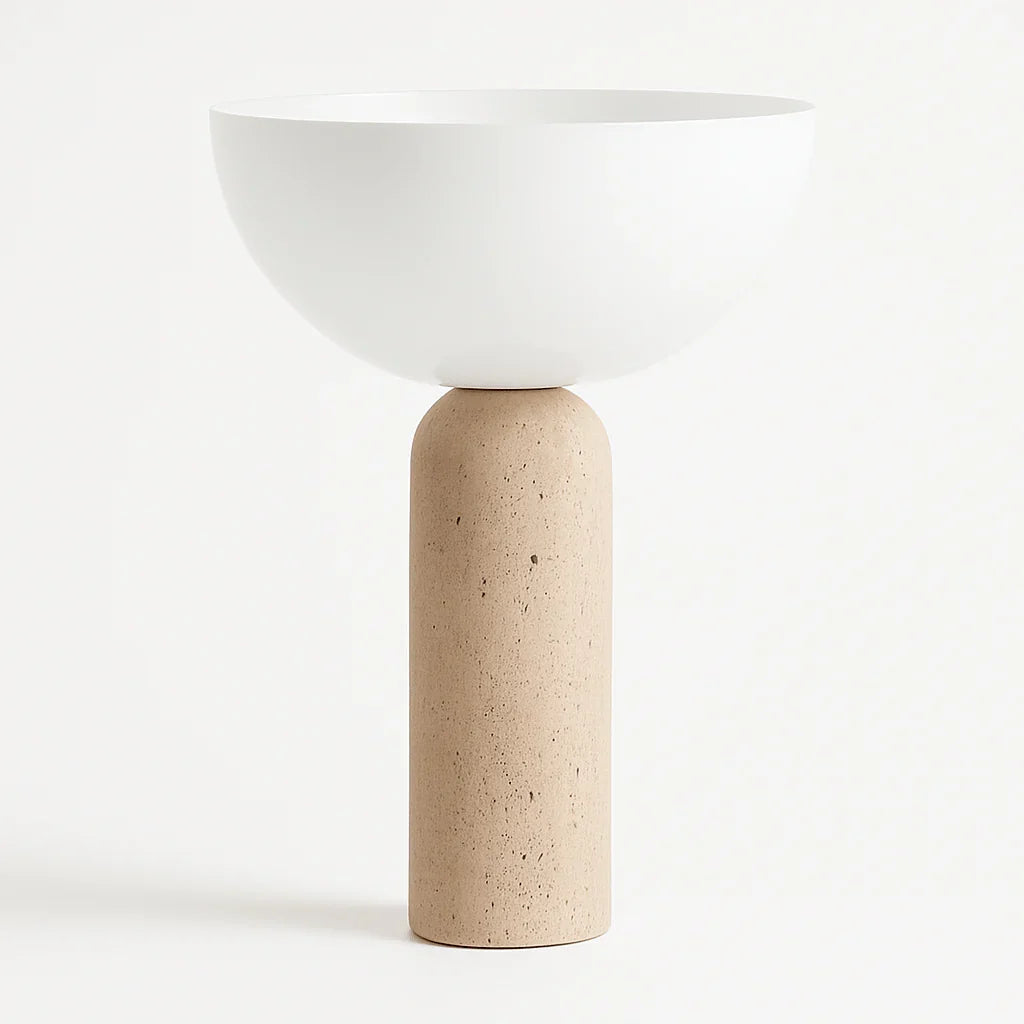
Japandi Gift Ideas: 8 Calm, Natural Gifts for Every Budget
8 Japandi gift ideas checked with our partner stores, from under $100 to worth the splurge: natural jute and wool rugs, wooden and marble side tables, calm wall art and travertine lamps.
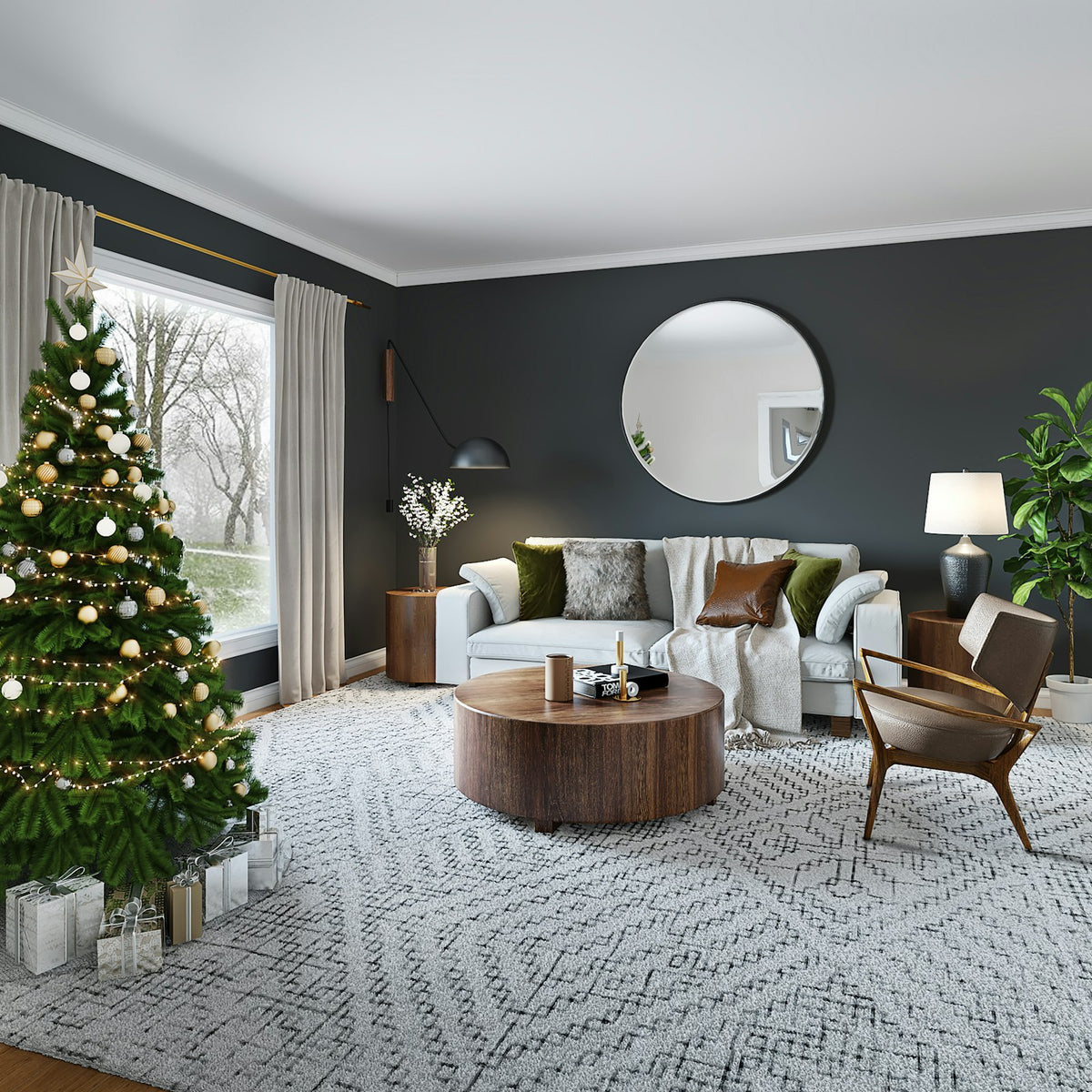
Japandi Christmas Decor: Ideas for a Calm, Natural Holiday
A Japandi Christmas is a sparse tree with wood and paper ornaments, a muted palette, natural materials and warm lamp light. Here is how to get the palette, tree, lighting and table right, with 10 p...
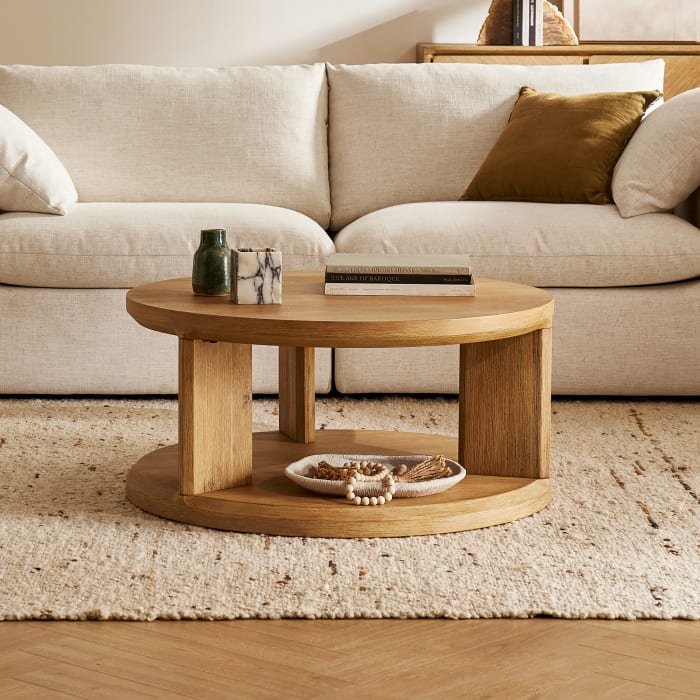
Japandi vs Scandinavian: What's the Difference and Which Is for You
Japandi takes the Scandinavian base and adds Japanese restraint, darker wood and lower furniture. Here are the 6 differences you can see, plus 10 pieces that show them.