

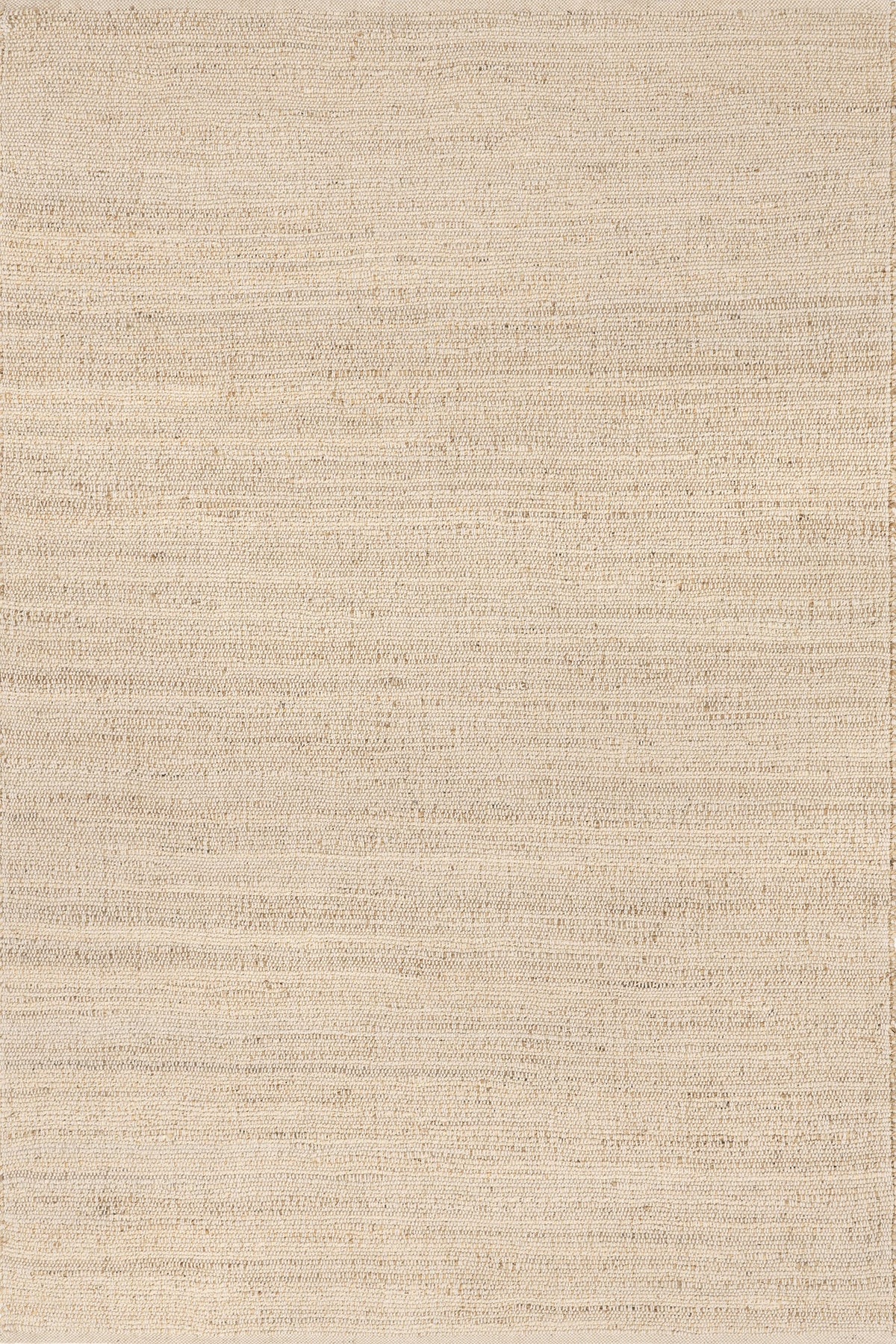
The best Japandi rug is a low-pile rug in a natural fiber (jute, wool, or a blend of the two) in a quiet color such as natural, cream, oatmeal, or soft gray. Here is how to choose a Japandi rug for your living room, bedroom, or entryway, plus our 10 favorite picks from Rugs USA and Wayfair, trade-offs included.
A rug is the piece most people get wrong in a Japandi room: the sofa is low, the wood is pale, and then a thick, shiny, patterned rug takes over the floor. The rules are simple, and the right rug does not have to be expensive.
What makes a rug Japandi
A Japandi rug has two jobs: stay out of the way visually, and add warmth and texture underfoot. That comes down to four things.
- Material: natural fibers first. Jute, wool, cotton, and sisal have a matte, slightly irregular surface that looks handmade. Synthetics can work too, especially washable ones, but never a glossy finish.
- Color: one or two neutrals. Natural, cream, oatmeal, taupe, soft gray, and warm brown all belong. Bright white, strong contrast, and saturated colors do not.
- Texture over pattern: the interest should come from the weave (a braid, a rib, a high-low loop, a check in two shades of one color) rather than from a busy design.
- Low pile: Japandi furniture is low, so the rug should be low too. A flatweave or a pile under half an inch keeps the lines of a low sofa or platform bed clean; shag hides the furniture and collects dust.
Jute vs wool vs washable: which material is right for you
Almost every rug in our Japandi rugs collection falls into one of three groups, and each has a real trade-off.
Jute
Jute is the most Japandi material there is: a plant fiber, usually handwoven, in a warm natural tone that hides everyday dust, and the cheapest way to get a handmade rug. The downsides: pure jute is firm rather than soft, it sheds for the first few weeks, and it does not like water, so keep it out of bathrooms. A jute and cotton blend is softer; a jute and wool blend is the most comfortable of all.
Wool
Wool is the choice when you want a rug that feels soft and warm underfoot, in a bedroom or under a reading chair. It is springy, naturally stain resistant, and lasts for decades. The trade-offs: it costs more than jute, hand-tufted wool sheds for the first months, and cream wool shows marks, so keep it away from the front door.
Washable
If you have kids, pets, or a cream sofa you worry about, a machine washable rug removes the stress: the whole rug goes in the washer. They are synthetic, so you lose the natural texture, and the thin versions need a non-slip pad, but for a busy living room they are the practical choice.
Rug size and placement by room
A rug that is too small makes a room look cramped; one that reaches under the furniture makes it look finished.
Living room: under the sofa
The front legs of the sofa and armchairs should sit on the rug, with the coffee table fully on it. For a standard sofa that means an 8 x 10; a 5 x 8 only works with a loveseat. Choose a flatweave or low pile in natural, beige, or oatmeal so the pale wood of the coffee table stays the focus.
Bedroom: beside a low bed
A low platform bed looks best with the rug under the lower two thirds of the bed, extending 18 to 24 inches on each side so your feet land on something soft. That is a 6 x 9 under a queen or an 8 x 10 under a king. If that is too much rug, a 4 x 6 on one side of the bed is the Japanese way: one soft spot where you need it. This is the room for wool or a plush washable rug.
Entryway
The entryway needs something that lies flat under the door and shrugs off dirt: a natural jute flatweave or a low-pile washable rug in stone or gray. Avoid off-white here; it shows dirt fastest.
What color rug for a Japandi room
Pick the rug color from the wood in the room, not from the walls. Light oak, ash, and birch want natural, cream, or oatmeal. Walnut and darker woods look warmer with beige, fawn, or warm brown. Gray suits a room that leans cool, with a gray sofa, black metal lamps, or concrete floors. Keep the rug within a shade or two of the sofa so the floor reads as one calm surface. Japandi in 2026 is warmer than the gray-heavy rooms of a few years ago, so if you are torn between gray and beige, choose beige.
The 10 best Japandi rugs
These are the rugs we would put in our own homes, picked from more than 80 in our collection. Most are from Rugs USA, which has the widest selection of natural fiber rugs at fair prices; three are from Wayfair. Prices are for a 5 x 8 unless stated.
Japandi Handwoven Jute Blend Rug - Perfect

If you only read one pick, make it this one. It is 60% jute and 40% cotton, woven by hand, so the texture is soft and slightly irregular, and the cotton makes it kinder underfoot than pure jute. The natural tone sits between beige and sand and works with oak, walnut, and linen alike. More than 800 buyers rate it 4.5 stars. Around $160, with sizes up to 8 x 11. See details
Japandi Braided Jute Rug - Natural

Braided jute is the most honest version of the natural rug: 100% plant fiber, braided by hand, with a chunky texture you can see from across the room. It is one of the best-selling jute rugs at Rugs USA (4.3 stars, more than 680 reviews) and at around $120 it is hard to beat for a handmade piece. It is firm rather than soft, so it suits a living room better than a bedside. See details
Japandi Jute & Wool Rug - Patricia

Half jute, half wool, and the best of both: the firm, natural look of jute with the softer, warmer feel of wool. The ivory is light without being stark white, so it suits cream sofas and pale wood. Our choice for a living room where you also sit on the floor. Around $270. Ivory shows stains more than natural, so keep it away from the dining table. See details
Japandi Checked Wool Rug - Melrose

A check in two shades of cream is about as much pattern as a Japandi room wants: it echoes a tatami grid without adding color. Hand-tufted in 80% wool with a cotton backing, it is soft, warm, and springy, which makes it our favorite for a bedroom. More than 1,200 buyers rate it 4.3 stars. Around $230. It sheds for the first months and cream shows marks, so keep it out of the entryway. See details
Japandi Flatweave Wool Rug - Latrissa

From Wayfair, and the best living room rug here if you want wool without a thick pile. The wool blend has a 0.4 inch high-low texture that adds depth while keeping the lines of a low sofa visible, in the beige and white palette Japandi rooms are built on. More than 1,400 reviews at 4.7 stars. The 8 x 10 is around $250. Expect a warm beige, not white. See details
Japandi Plush Washable Rug - Cranbury

A cream rug usually means worrying about stains; this one is machine washable from edge to edge. The pile is dense and plush, it is made from 100% recycled polyester, and more than 470 buyers (4.4 stars) mention how soft it is. Ideal for a bedroom or a family living room. Around $210. The large sizes are heavy when wet and may not fit a home washer, so check your drum first. See details
Japandi Natural Jute Pile Rug - Garette

Not every room needs a big rug. This 4 x 6 jute and sisal rug from Wayfair is the piece we would put beside a low bed, under a small coffee table, or in a reading corner. The half-inch pile is thicker than most jute, so it feels plush rather than scratchy, and the natural color pairs with light oak and linen. Around $110. Like all jute, it sheds a little at first. See details
Japandi Gray Jute Blend Rug - Bethlyn

If your room leans cool, with a gray sofa and black lamps, a beige jute rug can look out of place. This gray-on-gray rug from Wayfair has the muted, worn-in feel of a vintage rug but is made of easy-care polypropylene with a jute backing. More than 17,000 buyers rate it 4.5 stars, and the 8 x 10 at around $180 is one of the best-value living room rugs we know. It is thinner than it looks, so add a rug pad. See details
Japandi Natural Rug

A long-time favorite in our collection: 70% wool and 30% jute, so it leans soft, with a simple understated weave in neutral tones. A good first natural fiber rug if you are not sure you will like the feel of jute, and at around $85 for the smaller sizes an easy place to start. See details
Japandi Plush Cloud Area Rug

The budget pick and the best seller in our collection. It is 100% polyester, so not a natural fiber, but the plush texture is soft, the neutral tones are right, and it is easy to clean: a sensible choice for a kids' room, a rental, or a first apartment. From around $55. If you can stretch the budget, the jute blends above will age better. See details
More Japandi rugs we like
 Japandi Washable Low Pile Rug - Keyara
 Japandi Speckled Wool Blend Rug - Arrel
 Japandi Brown Rug
 Japandi Ribbed Jute Rug - Natural
How to care for a natural fiber rug
- Use a rug pad. Jute flatweaves and unbacked wool rugs slide and wear faster without one, and it makes a thin rug feel thicker.
- Vacuum without the beater bar. The spinning brush pulls fibers out of jute and tufted wool. Use suction only, and go gently around tassels.
- Blot, do not rub. Wool can take a mild detergent and water; jute should be spot cleaned dry and never soaked.
- Expect shedding. New jute and wool rugs shed for a few weeks to a few months; it is normal and it stops.
- Washable rugs: cold water, gentle cycle, air dry or tumble low.
Japandi rug FAQ
Is jute a good rug for a Japandi living room?
Yes, jute is the most natural fit for a Japandi living room: a plant fiber, matte, warm in color, and usually handwoven. If you sit on the floor or walk barefoot a lot, choose a jute and cotton or jute and wool blend, which is softer. Keep it away from moisture and use a rug pad.
What color rug works best in a Japandi room?
Natural, cream, oatmeal, and beige are the safest choices and suit the light woods most Japandi rooms use. Pick gray only if the room already leans cool, and warm brown or fawn if your furniture is walnut or darker. Stay within a shade or two of your sofa.
Should a rug go under a low platform bed?
Yes, if the rug extends 18 to 24 inches beyond the sides and foot of the bed, which usually means a 6 x 9 under a queen. Keep the pile low so the bed does not sit on a bump. If a large rug is not in the budget, a 4 x 6 on the side you get out of is the simpler solution.
Complete your Japandi look
The best Japandi rug comes down to a natural fiber, a quiet color, a low pile, and a size that reaches under the furniture. Get those four right and the rest of the room falls into place.
Keep reading
- Japandi Beds: How to Choose a Low Platform Bed (and 10 Picks)
- Japandi Small Apartment Ideas: Calm, Light and Clutter-Free
- Japandi vs Scandinavian: What's the Difference and Which Is for You
Japandistore selects products from partner stores and may earn a commission when you buy through our links. Prices are set by the stores and can change.


Leave a comment
This site is protected by hCaptcha and the hCaptcha Privacy Policy and Terms of Service apply.